


I’m Zhisan from China, currently studying Early Childhood Education at ELTE. As both a student and a mother, I’m learning to understand the world from a child’s perspective.
Participating in international learning opportunities is an important part of studying at ELTE. For me, joining a short Erasmus BIP program became a particularly memorable experience — a week full of new people, new perspectives, and a completely different way of learning.
During my studies at ELTE, I had the opportunity to participate in a Blended Intensive Program (BIP) under the Erasmus+ framework. Information about these programs can usually be found on faculty notice boards or on the university website. The application process is quite straightforward: students submit the required documents, and after a selection process, those who are accepted can take part in the program. Participants also receive a limited scholarship that helps cover travel, accommodation, and part of the living expenses.
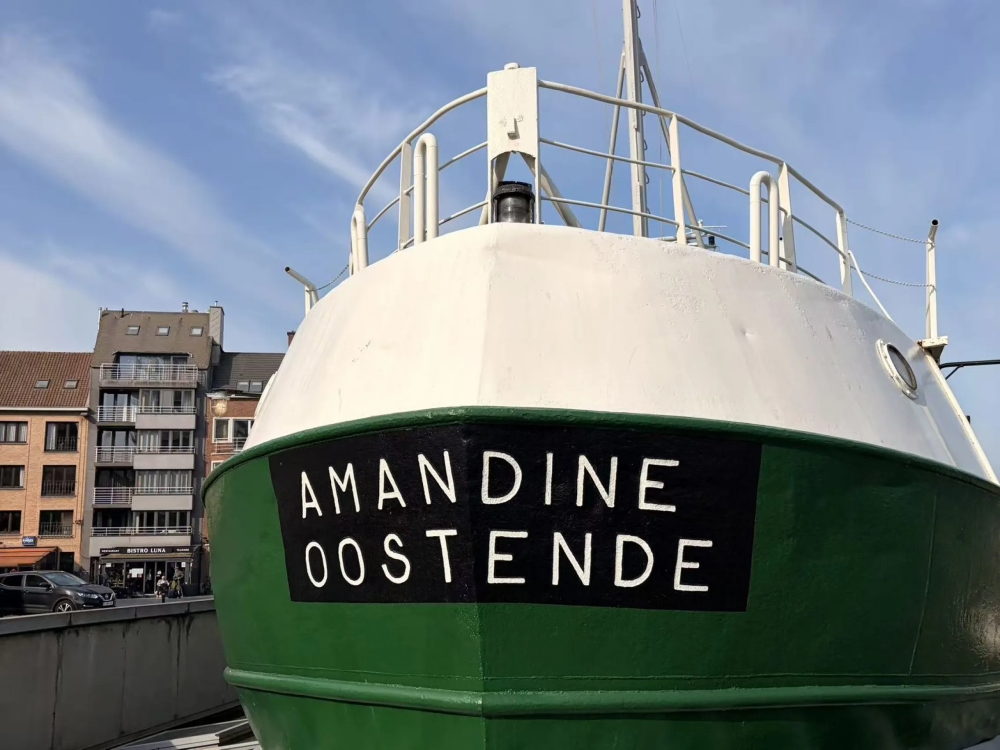
A BIP (Blended Intensive Program) combines online learning with a short in-person mobility period, and it must be organized by at least three higher education institutions from three different countries. The physical part of the program usually lasts between 5 and 30 days. The one I joined lasted five days and took place in Ostend, Belgium, with the theme “Professional Development Strategies and Methods."
Most of the participants were students from Early Childhood Education / Pedagogy of the Young Child programs. During the project, we focused on an important concept in education: Continuous Professional Development (CPD) — how teachers continue to learn, reflect, and grow throughout their careers.
Around 50 students from different countries joined the program, including participants from Belgium, France, Türkiye, and Hungary. At first, seeing so many people from different backgrounds felt a little overwhelming, but the atmosphere quickly became relaxed thanks to several ice-breaking activities. One of the first activities we did was a BINGO game, which encouraged us to talk to many different people and learn small things about each other.
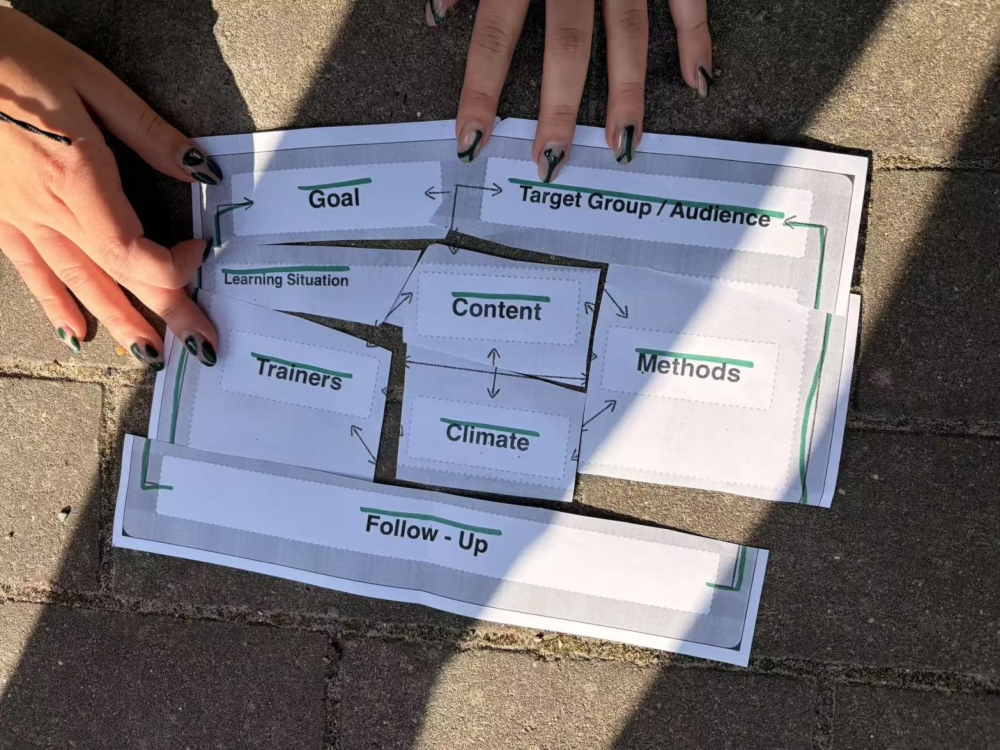
Soon after, the teachers gave us an interesting challenge: all 50 participants had to agree on five rules that would guide our collaboration during the program. At first, I thought this might become chaotic, but surprisingly, the discussion went quite smoothly. Some students volunteered to take notes, others helped moderate the conversation, and many people contributed ideas. In the end, we agreed on five simple but meaningful rules, such as being punctual, speaking English as much as possible, actively participating, and creating a supportive learning environment. It was fascinating to see how a large group could gradually organize itself and work together.
Throughout the week, we worked in different small groups to complete tasks and discussions related to Continuous Professional Development. Each group had a teacher who acted more as a facilitator than a lecturer. Instead of giving direct answers, they encouraged us to think, ask questions, and find solutions together. Since we were constantly working with people we had just met, it was also a great opportunity to practice building trust quickly — something that is especially important in early childhood education, where teachers must build strong relationships not only with children but also with parents and colleagues.
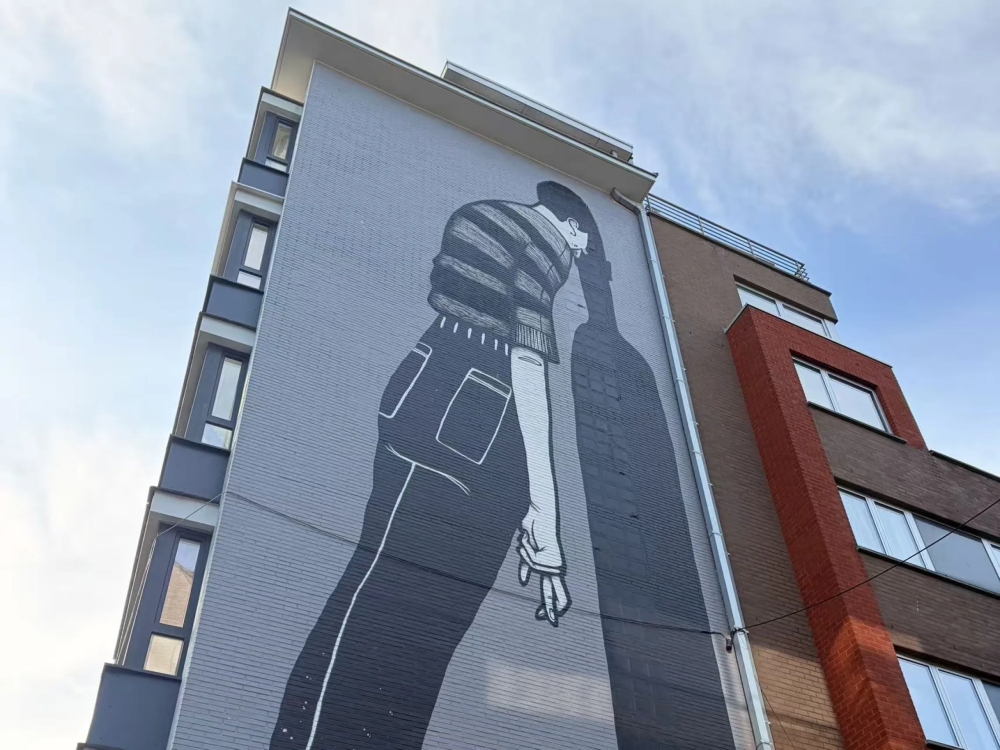
Many of the activities were very creative and hands-on. One activity that I remember particularly well asked us to explore the city of Ostend using “the perspective of a child.” With a map in hand, we walked around the city and tried to experience it through our senses. We noticed things we might normally ignore: the smell of fresh fish from small street stalls, the sound of seagulls near the sea, interesting traffic signs, and large murals painted on building walls. Slowing down and observing the city this way made me realize how many details we usually overlook.
Another activity I really enjoyed took place in a park, where we were asked to look for different surface textures and create rubbings of them using paper. It sounded simple, but it turned into a playful exploration. We crouched down, ran around, and started examining everything around us like curious children. People tried stairs, pavement, and even trash cans to find interesting textures. When the paper rubbed against the metal surface of a trash can, it made a strange sound — I jokingly called it the “trash can song.” That moment made everyone laugh.
Besides the learning activities, there were also moments dedicated to reflection and appreciation. One evening, we sat together in a circle with small electronic candles and reflected on our teamwork during the program. The teachers gave us cards with different qualities written on them, such as “patient,” “brave,” or “helpful.” We could give these cards to someone we wanted to thank or show appreciation to. Hearing why someone recognized your effort was a surprisingly warm and meaningful experience.
Later in the program, we also designed interactive games for education. Each group had to create a complete activity, including the instructions, rules, and learning goals. In total, we designed 18 different games and then had the chance to try each other’s ideas. My favorite game involved quickly moving between chairs to prevent one person from sitting down. It required teamwork, quick reactions, and lots of running around — the energy in the room was amazing.
One rule made the whole experience even more unique: we were not allowed to use our phones during the activities. At first, it felt a little unusual, but it soon made everyone more present and engaged. Many tasks also required us to change groups frequently, and the teachers encouraged us to work with people we hadn’t collaborated with before. In a way, it gently pushed us out of our comfort zones.
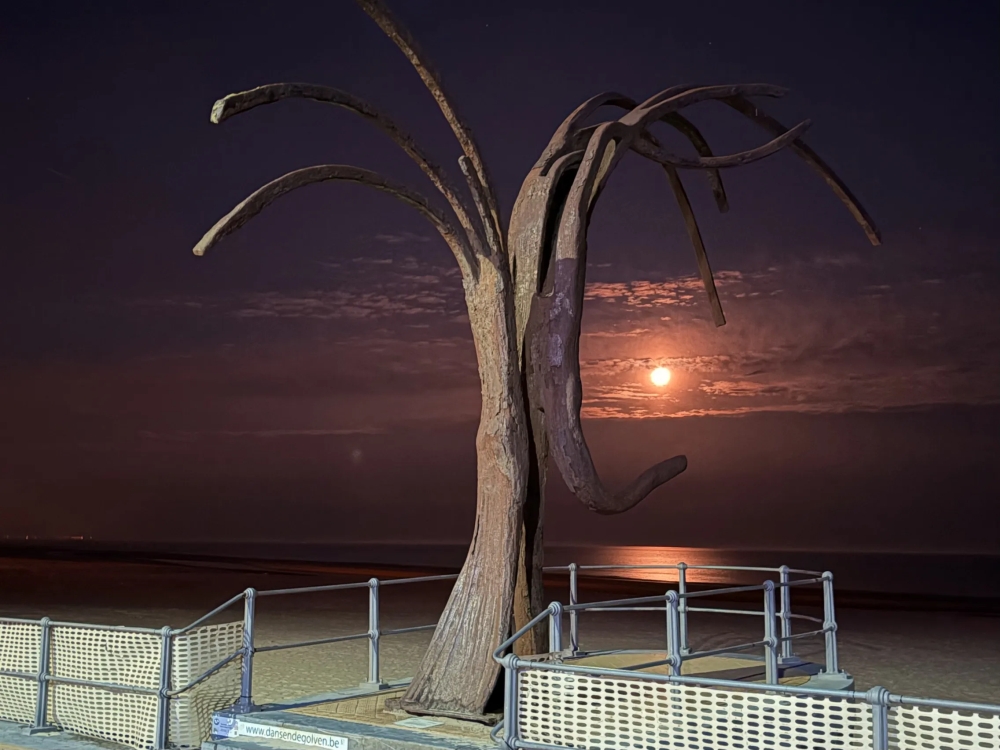
The program was definitely intensive, but it was also incredibly fun. Compared with traditional classroom learning, this experience focused much more on practice, collaboration, and reflection.
At ELTE, international learning environments bring together students from many different countries and cultural backgrounds. Experiences like this allow us not only to exchange academic knowledge but also to learn how education is viewed and practiced in different cultures.
For me, this BIP program was much more than just a short course. It was a memorable international experience that helped me grow both personally and professionally. I would definitely encourage other students to take part in similar programs. You will not only meet people from all over the world but also gain new perspectives and ideas in a very short time.