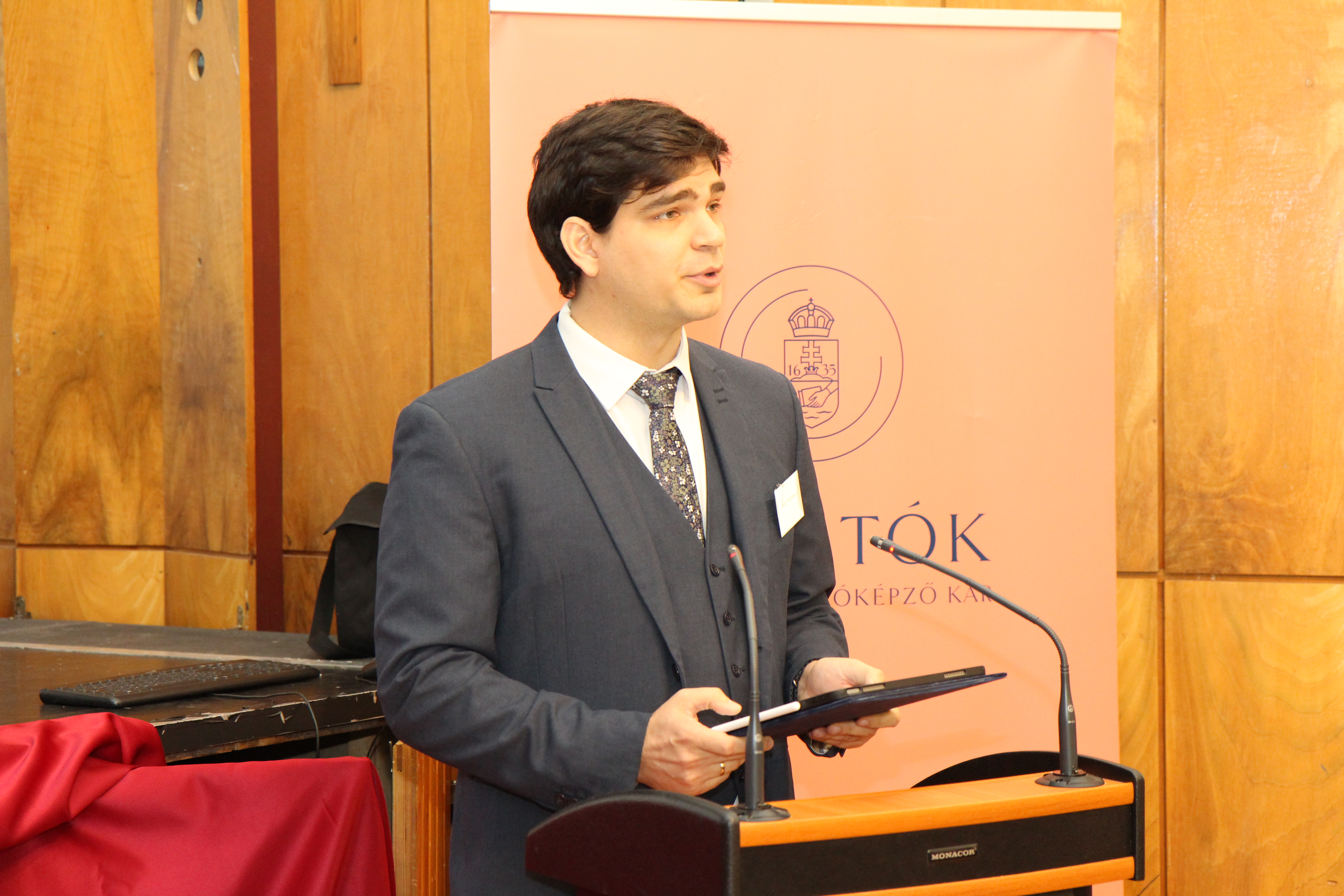
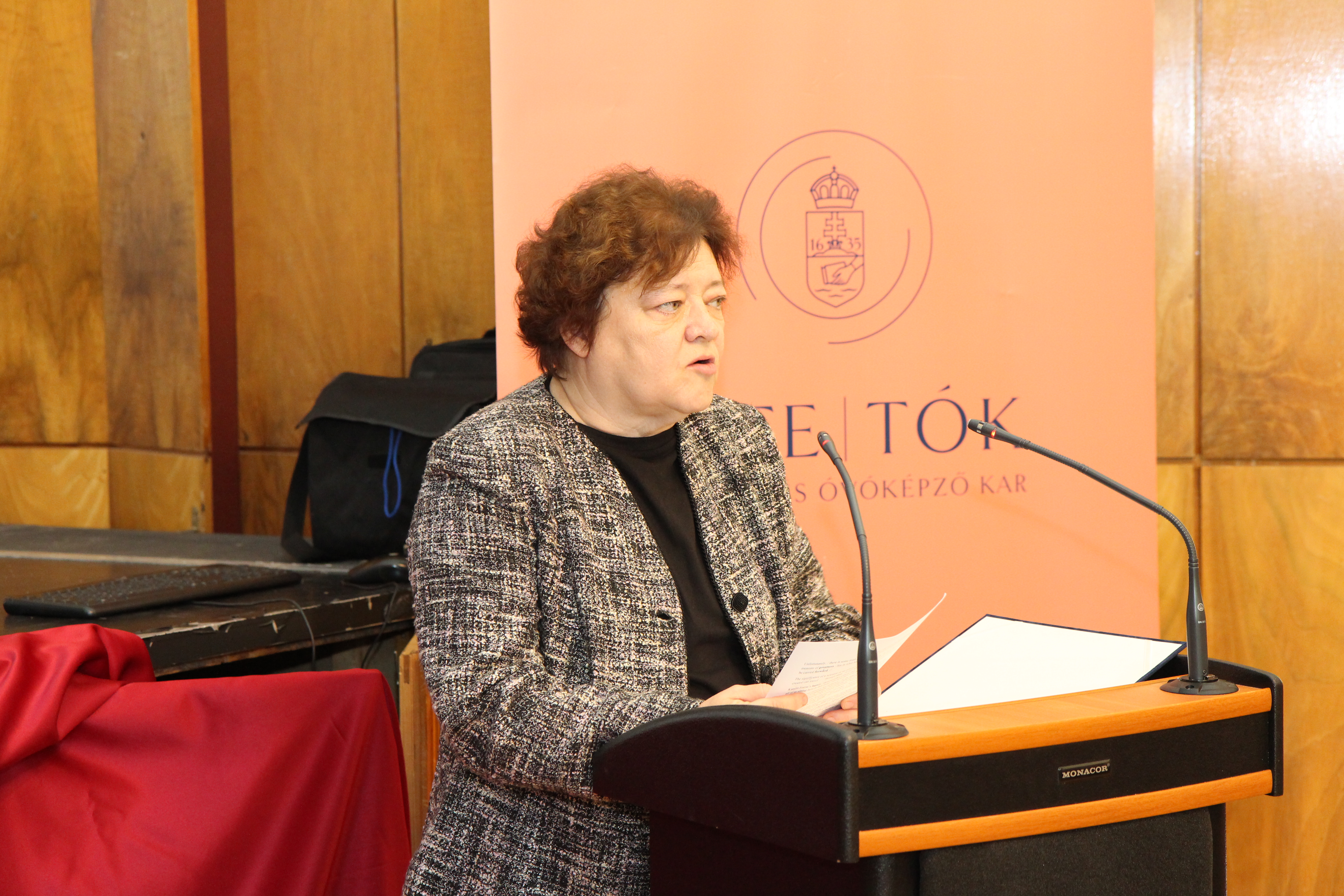
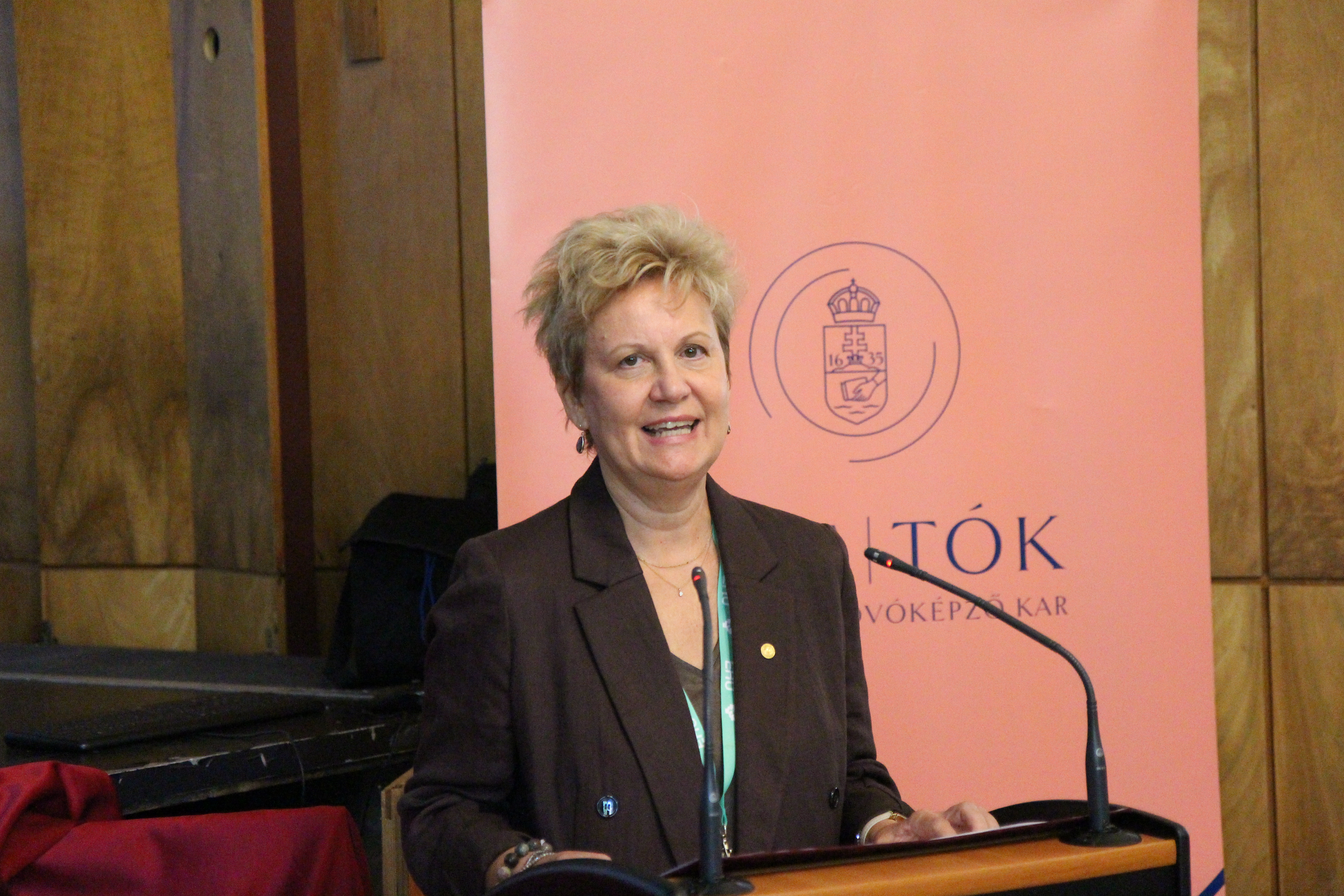
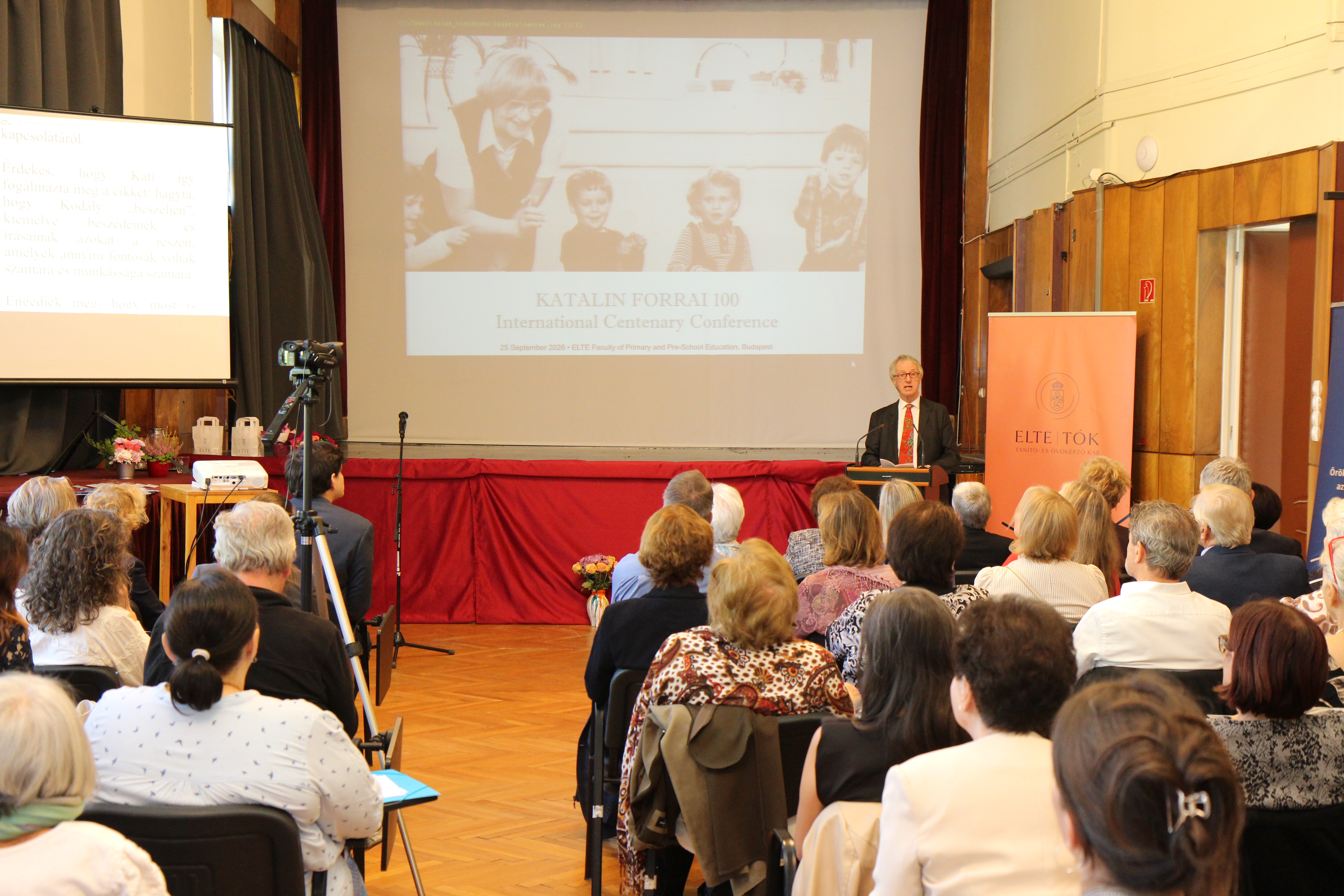
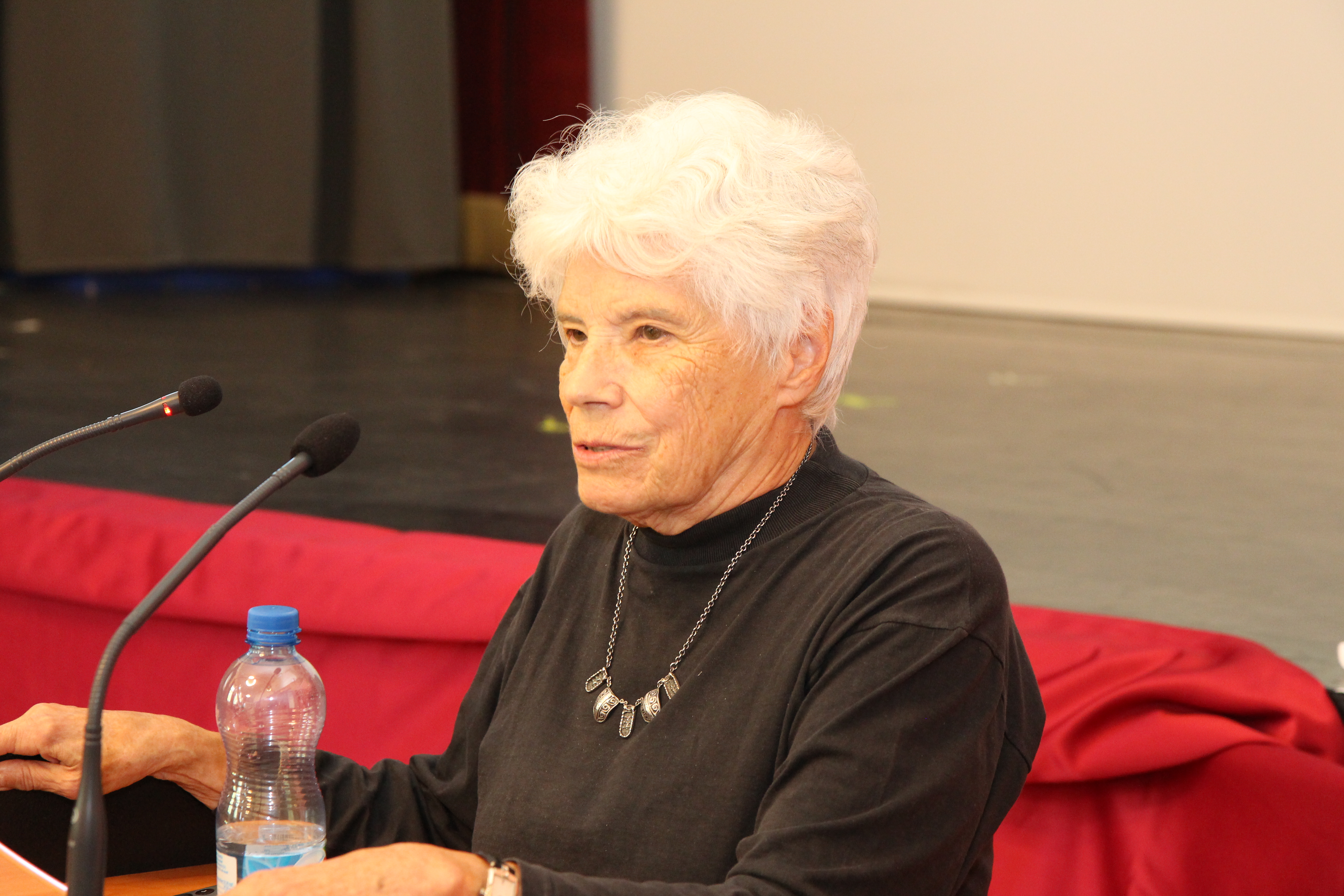
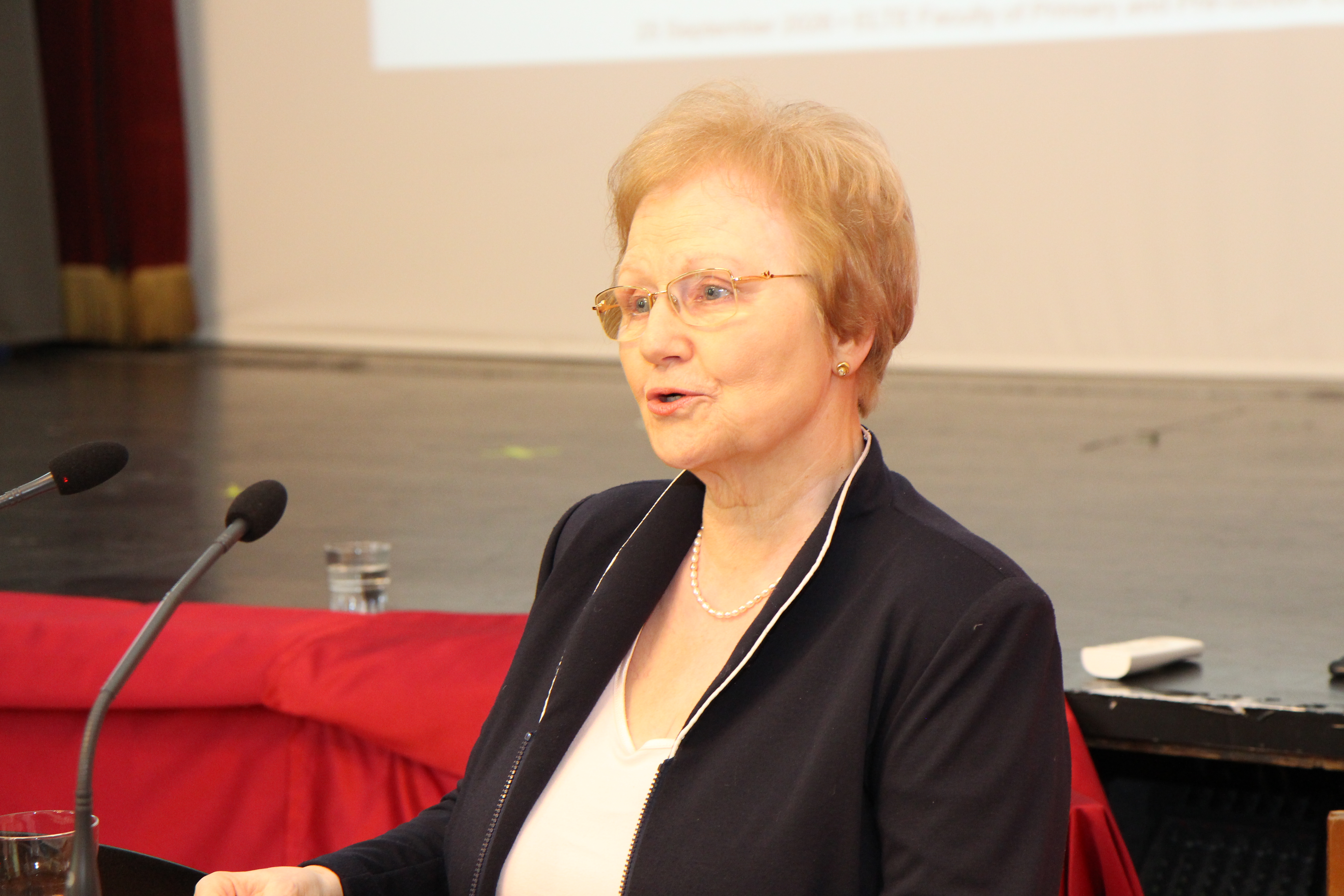
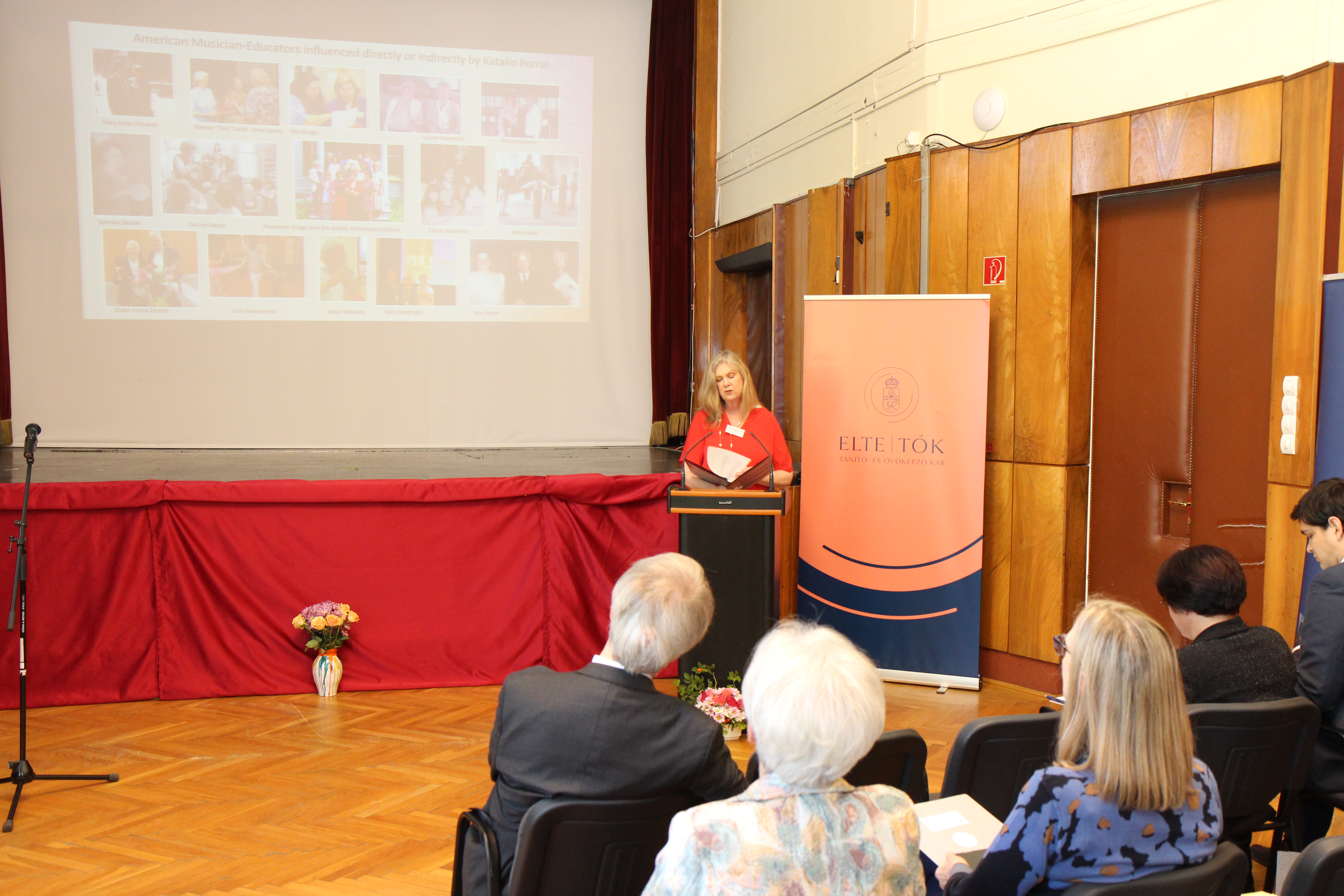
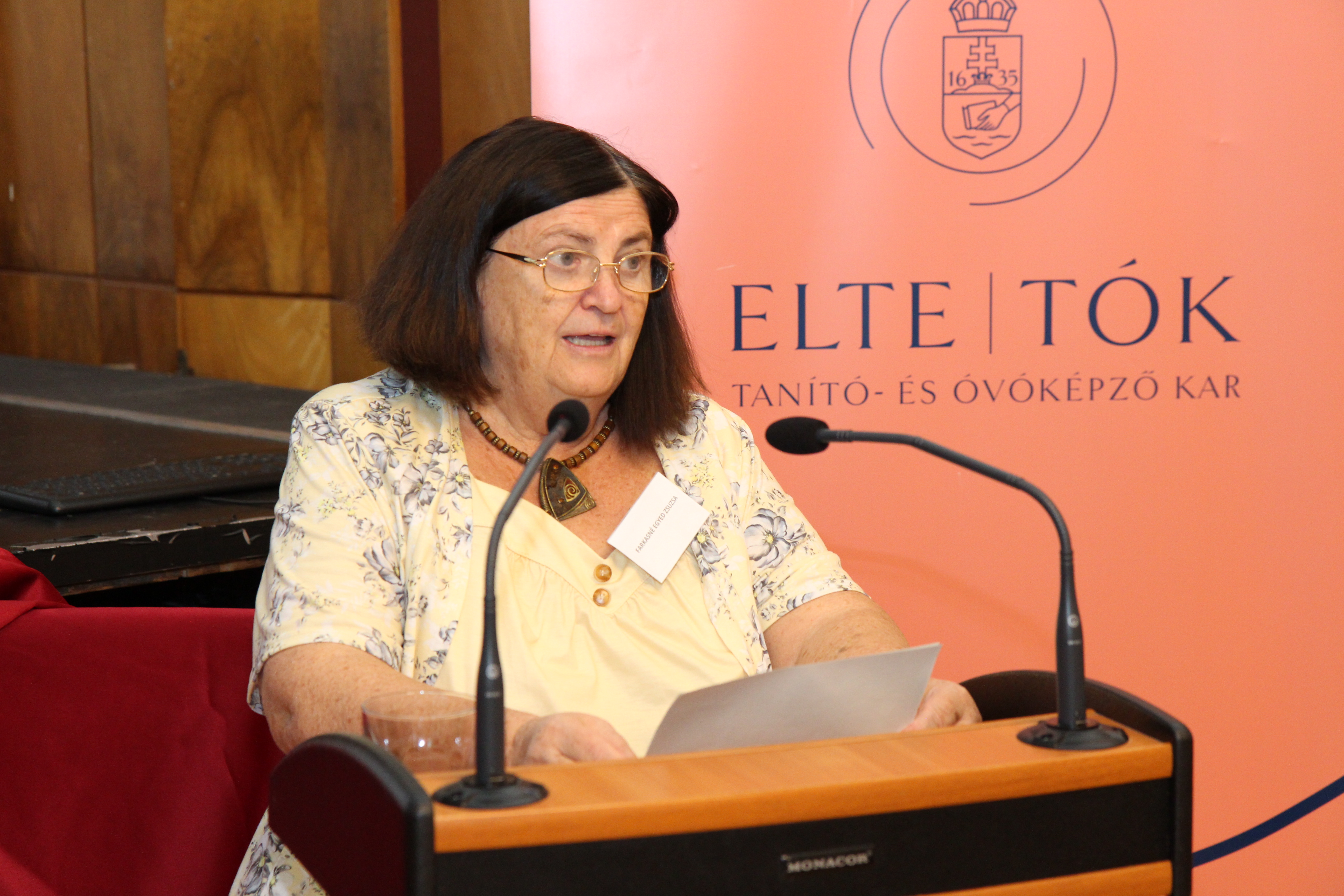
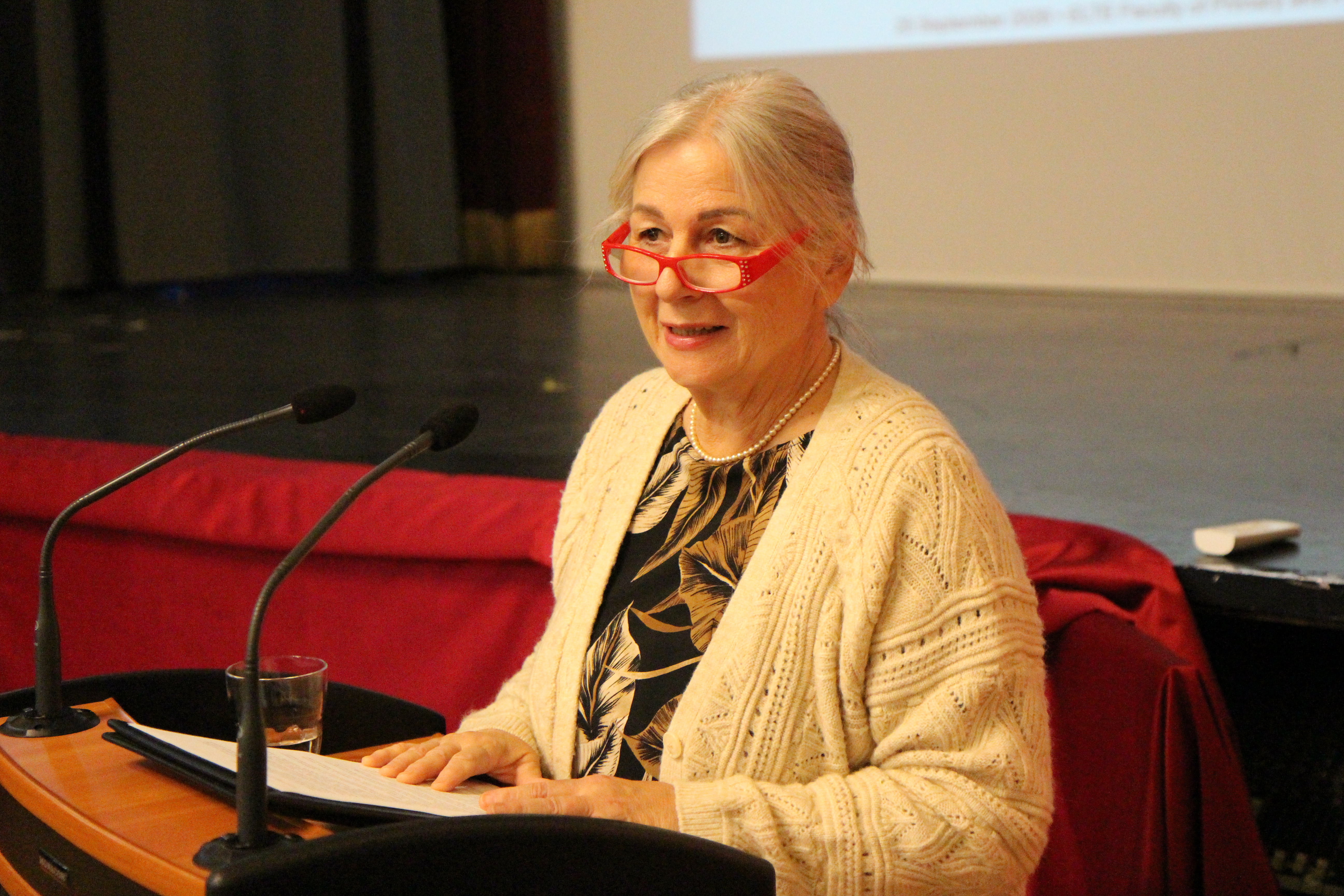
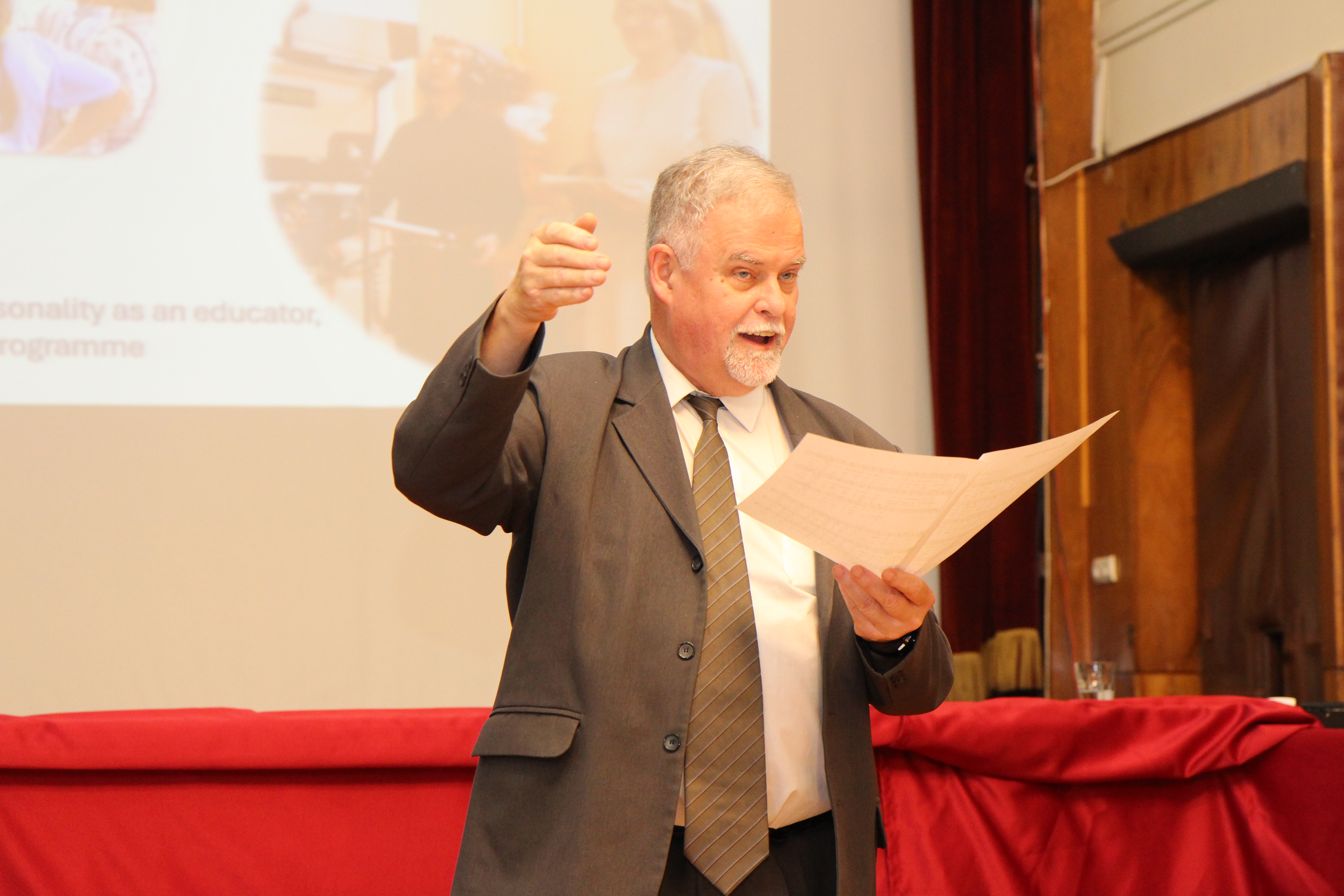
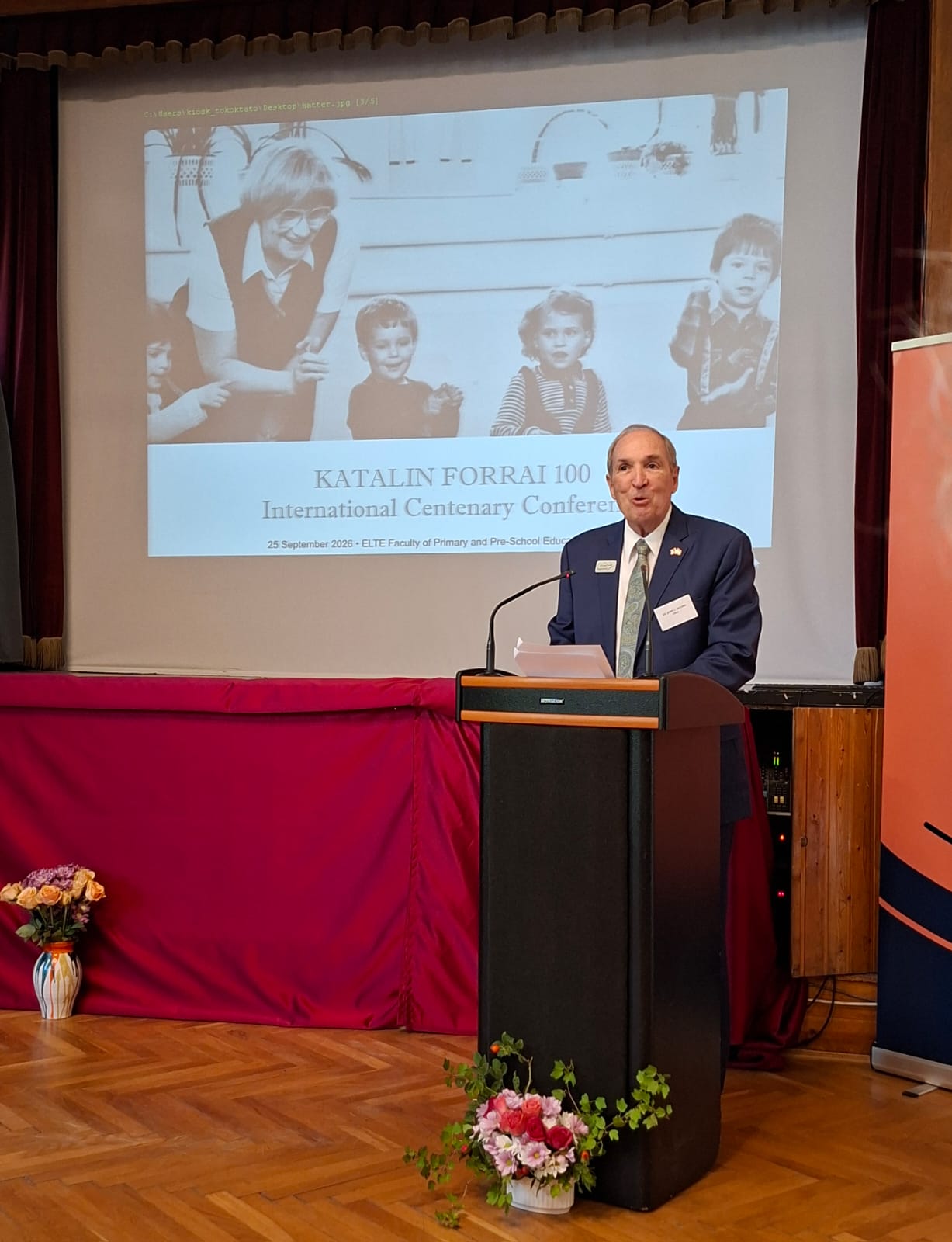
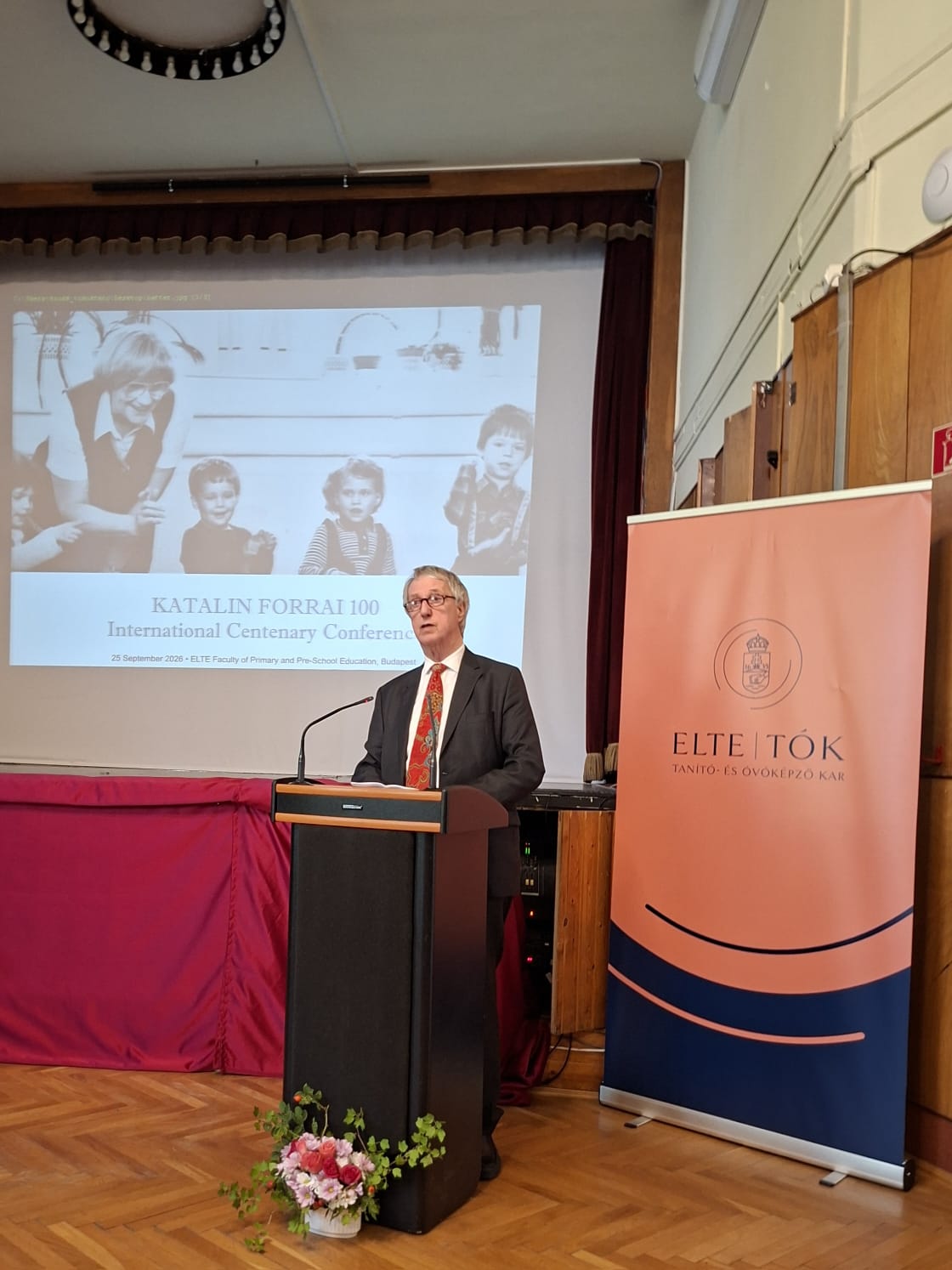
The Faculty of Primary and Pre-School Education at Eötvös Loránd University (ELTE) marked the centenary of the birth of Katalin Forrai, the internationally renowned music educator, with an international commemorative conference. The conference was organised in collaboration with Katalin Forrai’s heirs and with support from the ELTE TÓK Heritage Foundation, Móra Publishing House and the National Cultural Fund.
Katalin Forrai’s legacy in music education and teaching methodology continues to shape early childhood music education to this day. The conference presentations recalled various aspects of her life’s work and the ways in which her legacy lives on around the world.
The international event, held on 25 September, welcomed guests from several countries, demonstrating that the intellectual legacy of Kati néni — “Aunt Kati”, as she is still affectionately known to many — remains present in many parts of the world. Participants included Judit Lannert, Minister for Education and Children’s Affairs, as well as several members of Katalin Forrai’s family.
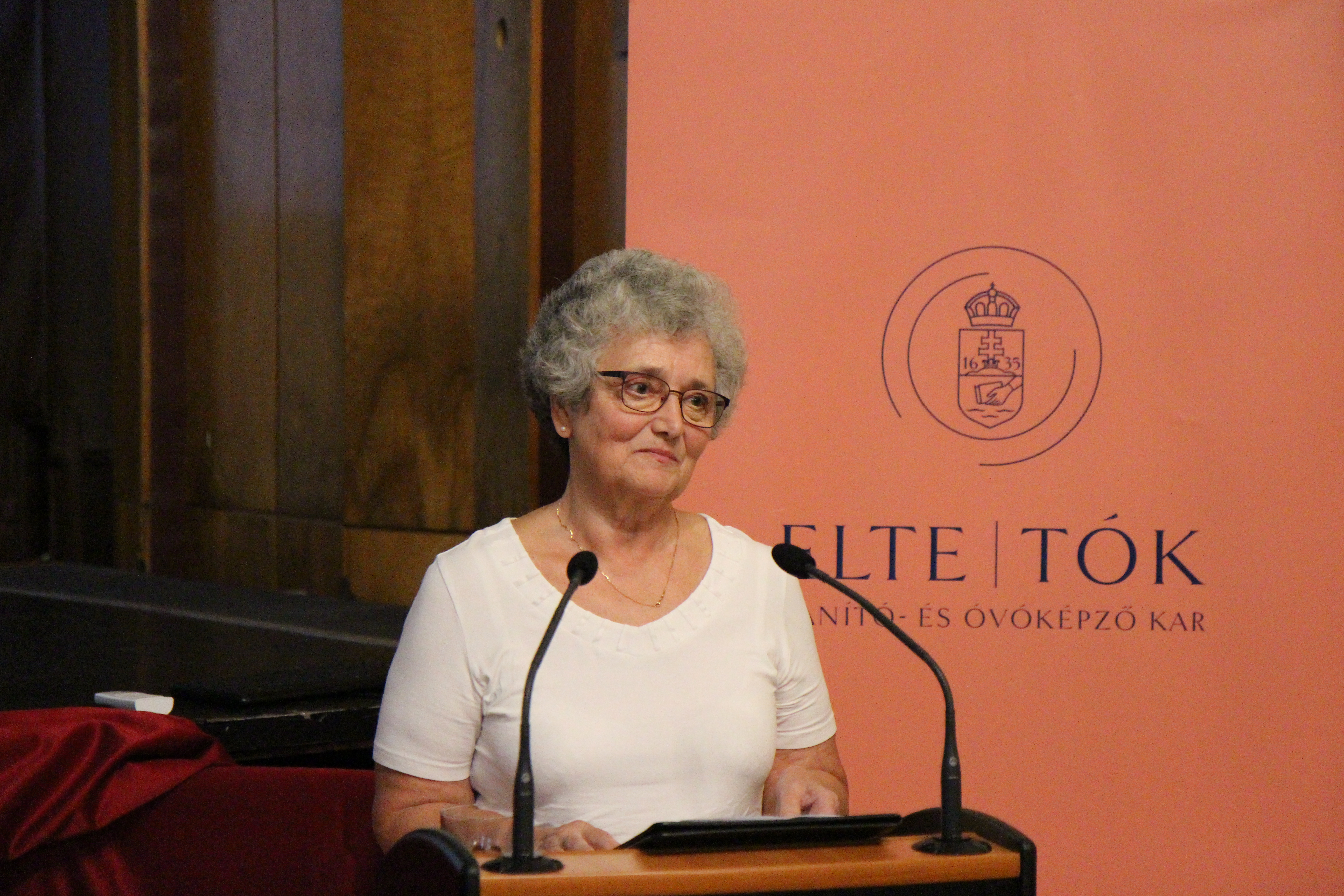
The guests were first welcomed by Ildikó Horn, ELTE’s Vice-Rector for Research, who reminded those present that a legacy does not survive on its own. Keeping it alive requires singing, teaching, research and the sharing of knowledge every day. She expressed her gratitude to all those who continue to play a part in preserving and passing on this important legacy.
Éva Márkus, Dean of ELTE’s Faculty of Primary and Pre-School Education, emphasised that in commemorating Katalin Forrai, we remember not only an outstanding music educator, but also a professional who believed deeply in children, in the power of music to shape personality, and in the lifelong influence of experiences in the earliest years.

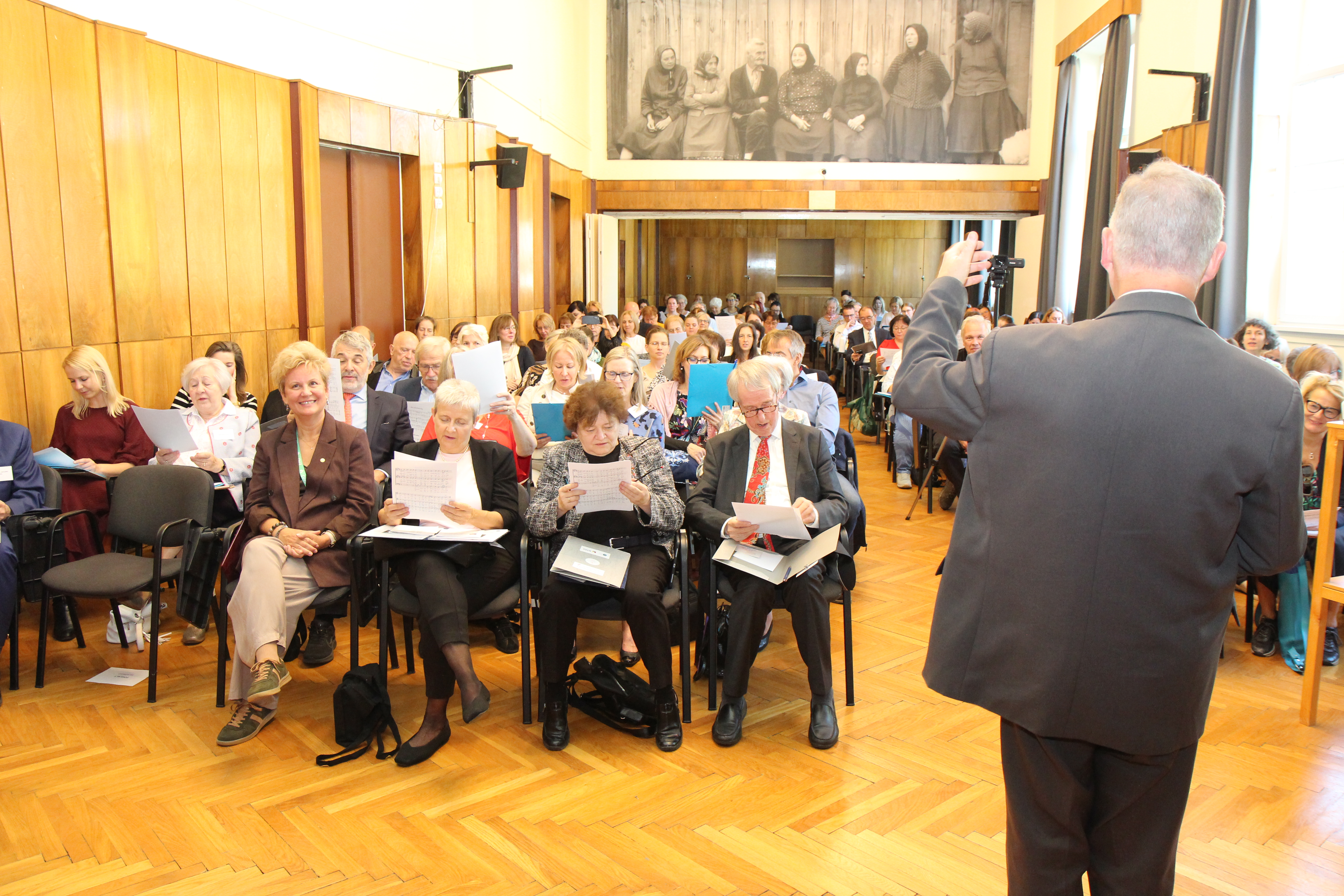
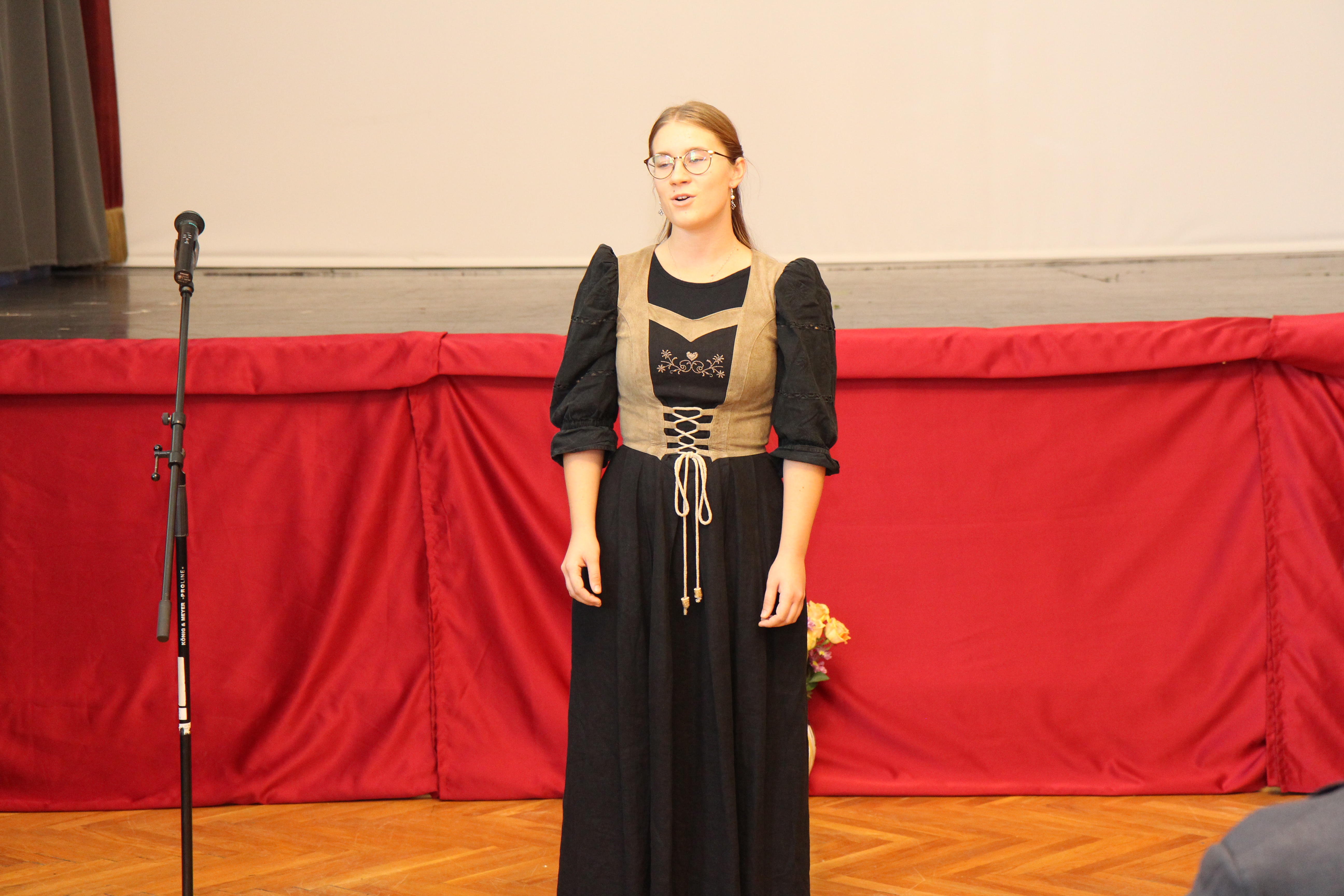
Singing together at the Forrai 100 conference
Several speakers recalled how Katalin Forrai’s entire career was shaped by the intellectual and musical legacy she received from her mentor, Zoltán Kodály. Encouraged by Kodály, she pursued further studies in music and foreign languages to gain the knowledge she needed to lay the foundations of music education through singing for the youngest children. Over decades of practical work, she developed Kodály’s principles into a coherent pedagogical approach to early childhood music education. Yet it was not only her profound musical and pedagogical knowledge that made Katalin Forrai a leading figure in early childhood education. Equally important was her ability to remain close to children throughout her life and continually incorporate her experiences with them into her work. Those who saw her teach remember a cheerful, joyful educator who could play with childlike enthusiasm while approaching children with an adult’s sense of responsibility.
Jerry-Louis Jaccard (USA), President of the International Kodály Society, recalled the beginning of Kati néni’s career, when Zoltán Kodály encouraged the young music educator to compile a collection of musical material suitable for children aged three to six. Kodály not only recognised his student’s talent but also supported her professional development. One notable episode was Katalin Forrai’s collaboration with Sándor Weöres and Amy Károlyi. Kodály sent Katalin Forrai to Weöres, by then already a celebrated poet, to sing him the melodies from the 333 Reading Exercises. Several of the lyrics written for these melodies have literary merit and can still be found in her books Ének a bölcsődében (Music in the Nursery) and Ének az óvodában (Music in Preschool), including “Jön a kocsi”, “Eresz alól”, “Fut, szalad a pejkó” and “Szól a nóta halkan…” (Here Comes the Cart, From Beneath the Eaves, The Bay Horse Runs Along and The Song Sounds Softly).
Gilbert De Greeve (Belgium), former President of the International Kodály Society, recalled, among other experiences, the music sessions at the Csobánc Street Kindergarten. International students and music educators undertaking practical placements or study visits in Hungary regularly attended these sessions and took what they had learned to countries all over the world. De Greeve stressed that good music education requires musical material of lasting value, well-prepared teachers and regularity.
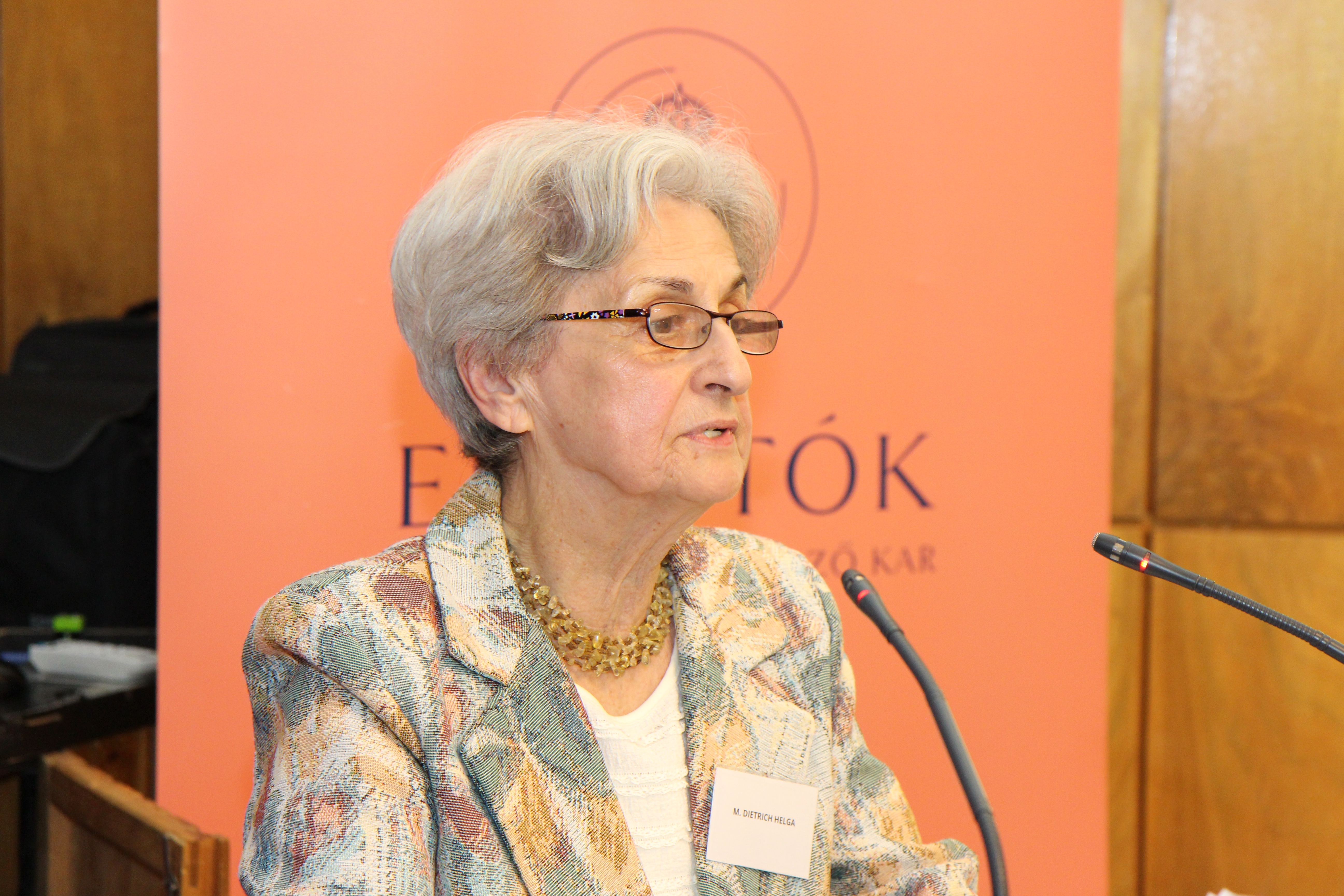
The celebrated singing sessions in Csobánc Street were a recurring theme in several presentations. Helga M. Dietrich, a retired lecturer in the Department of Music and Singing at ELTE’s Faculty of Primary and Pre-School Education and a former student of Katalin Forrai, brought Kati néni’s sessions to life through photographs and documents from the period. She also presented excerpts from the music kindergarten’s visitors’ book, which preserves entries, appraisals and expressions of gratitude from numerous Hungarian and international professionals.
Kelly Foster Griffin (USA), President of Northwest Kodály Educators and a member of the International Katalin Forrai Award Committee, explored Katalin Forrai’s influence in the United States. She highlighted the important distinction Kati néni made between teaching music and teaching through music. In early childhood, the primary aim is not to pass on musical knowledge, but to enable children to gain personal musical experiences through singing, play and movement. This approach has been carried forward by successive generations of educators in the United States.
Of course, Katalin Forrai could not be commemorated through a series of presentations alone: the conference participants themselves also joined in making music together. Songs from Hungary and abroad were sung by the audience, at times in several parts.

Mary Stouffer, Chair of the International Katalin Forrai Award Committee, shared personal memories as she talked about Kati néni’s courses in Canada. She explained that the concept of “real play” was an important lesson she had learnt. Katalin Forrai believed that children do not need separate preparation for play, because play itself contains the form, structure and musical content within which their abilities can develop naturally.
The international speakers’ recollections also revealed that, before travelling abroad, Katalin Forrai always familiarised herself with the children’s songs of the country she was about to visit. This enabled her to connect with participants through their own musical mother tongue during demonstration sessions with Australian, Japanese, Finnish and other children.
Several recipients of the international award named after Katalin Forrai also shared their memories of her in messages. Gail Godfrey (Australia), recipient of the International Katalin Forrai Award in 2019, recalled Forrai’s teaching that educators must enter the child’s world and recognise that play, discovery and joy can give rise to real knowledge. Among the International Katalin Forrai Award recipients unable to attend the conference in person, Betsy McLaughlin Moll (USA), Naomi Chinen (Japan) and Anne Lindeberg-Piiroinen (Finland) sent messages recalling their personal and professional relationships with Kati néni. Their recollections brought to life an educator who regarded high musical standards, live singing and a personal connection with children as the foundations of her work, while approaching each community’s own musical traditions with respect in every country she visited. For her students and colleagues, she provided not only a professional example but also lifelong inspiration.
In the afternoon, we heard from Magda Kalmár, Professor Emerita at ELTE’s Faculty of Education and Psychology, who recalled the developmental psychology research she had conducted with Katalin Forrai. Through their jointly planned and conducted studies, they tried to find out how regular, high-quality music education might shape young children’s development in areas other than music. Their findings revealed significant differences in the development of conceptual thinking and creativity, while their investigation of melodic improvisation also highlighted the importance of the musical mother tongue and a creative educational environment. Magda Kalmár also spoke on a personal note about the professional collaboration and friendship that began with this research and continued over several decades.
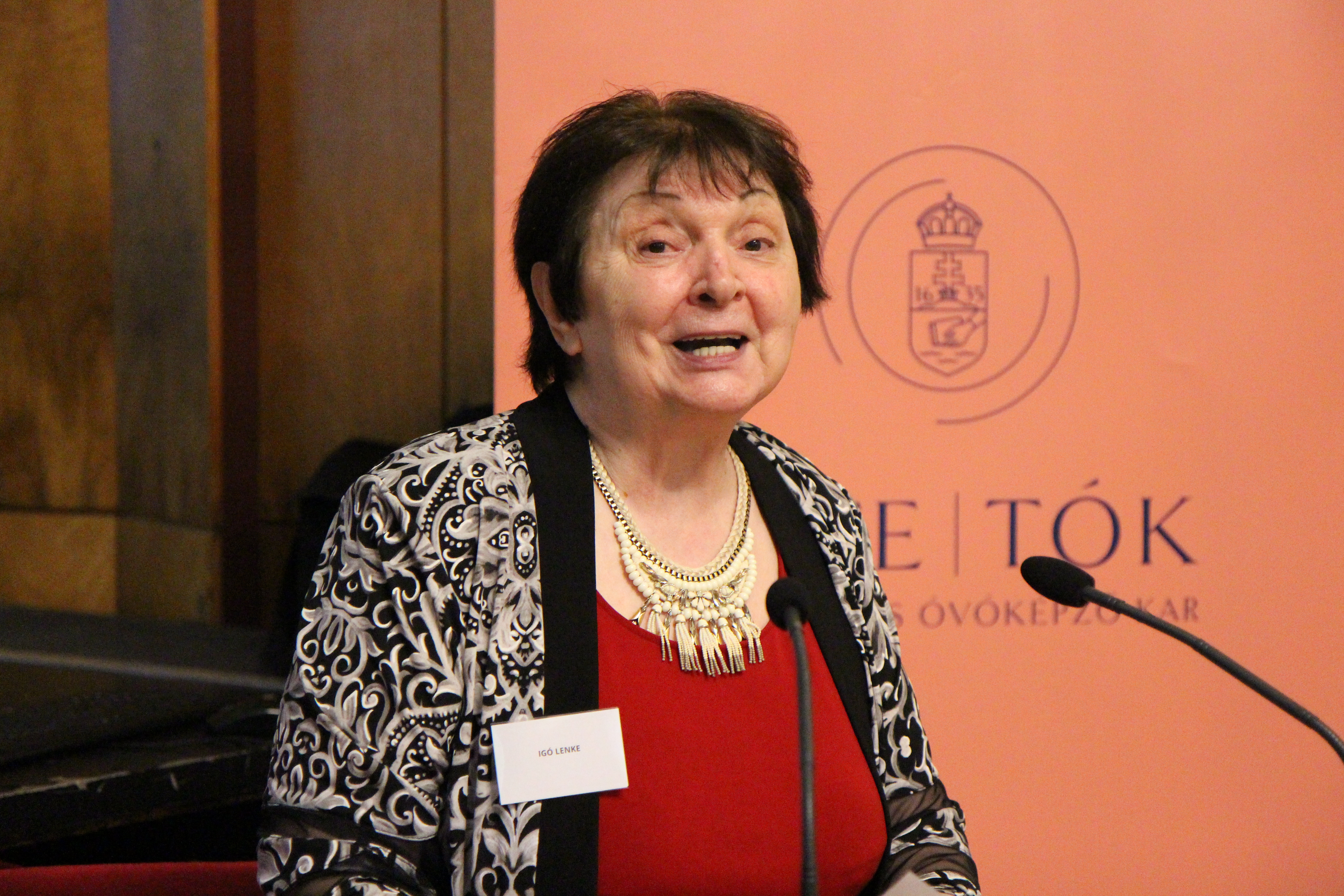
During the afternoon, former colleagues and students — including Judit Hartyányi, Alojzia Laczkóné Pálfi, Zsuzsa Egyed, Ilona Gállné Gróh, Judit Rózsa and Lenke Igó — shared personal stories of their teacher, colleague and mentor. Although their memories captured different moments in Kati néni’s life, the same qualities emerged again and again: Katalin Forrai’s exacting professional standards, her exceptional attentiveness to children, her humour and natural manner, and the trust with which she encouraged younger colleagues to work independently.
Alongside these personal recollections, the conference featured a short film about the Katalin Forrai Memorial Museum in Táplánszentkereszt, Hungary. It offered a glimpse into the collection, which preserves the music educator’s memory through personal belongings, photographs, books and documents donated by her family.

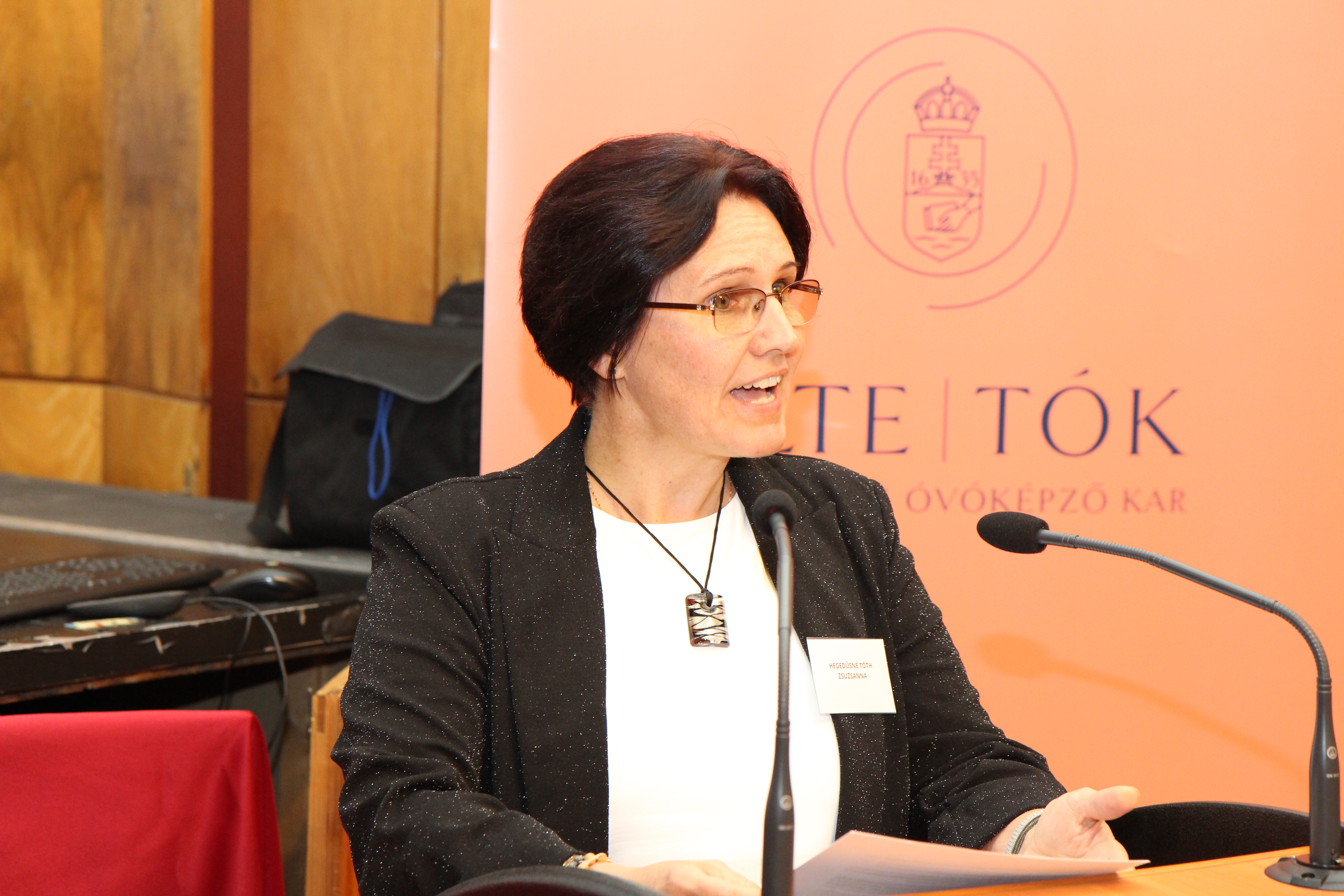
Another recipient of the International Katalin Forrai Award who spoke at the conference was Zsuzsanna Hegedűsné Tóth, who received the award in 2025. A Master Lecturer in the Department of Music and Singing at ELTE’s Faculty of Primary and Pre-School Education, she researches Katalin Forrai’s professional legacy. Her presentation drew on recordings of Hungarian Radio’s former programme Óvodások műsora (Programme for Preschool Children) to portray Kati néni as an educator. The surviving recordings allow us to hear how she corrected children’s singing without judging the children themselves, how she helped them reach a higher level, and how she then gradually stepped back to make room for their independence and musical ideas. These surviving radio recordings preserve the work of an educator who guided children with humour, wordplay and personal attention, while developing their musical abilities consistently and to high professional standards.
Katalin Forrai’s approach to music education remains relevant across national borders and generations. It is the perspective of an educator who, rather than placing limits on children through excessive adult expectations, recognised their potential and always assumed the best of them. She believed that childhood is not a less significant period preceding adulthood, but a defining stage in human life and in the formation of the individual’s future personality.