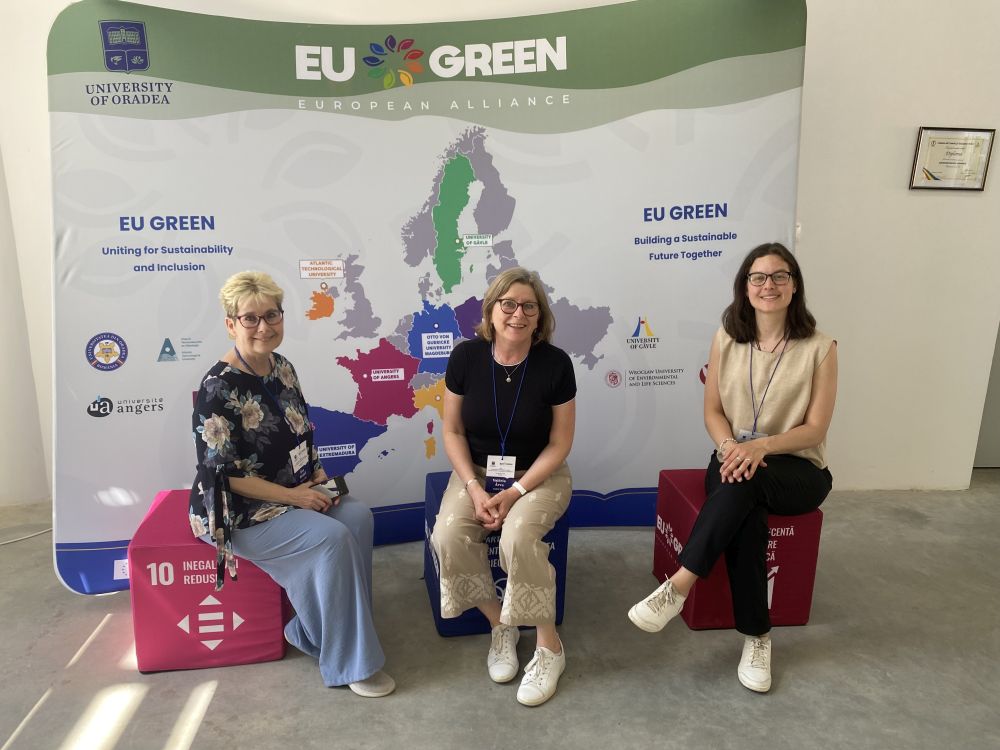
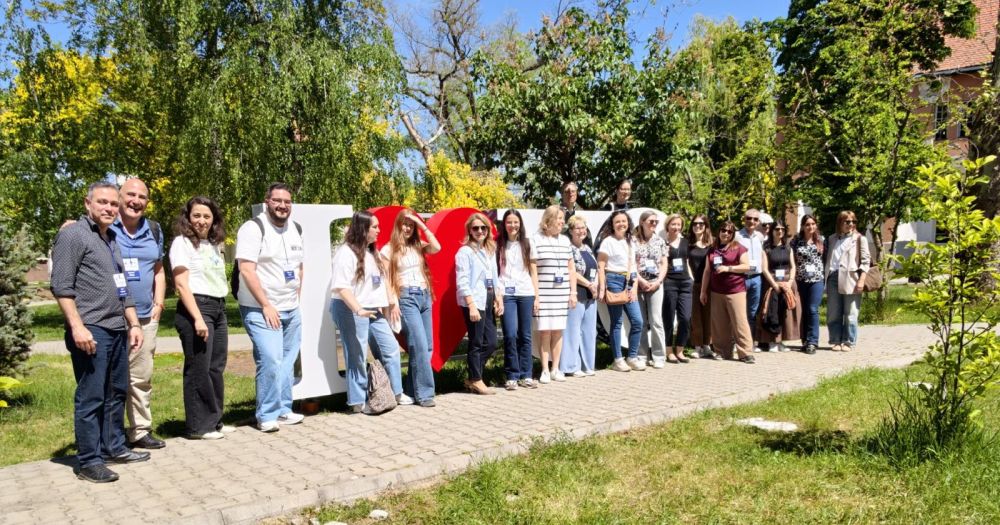
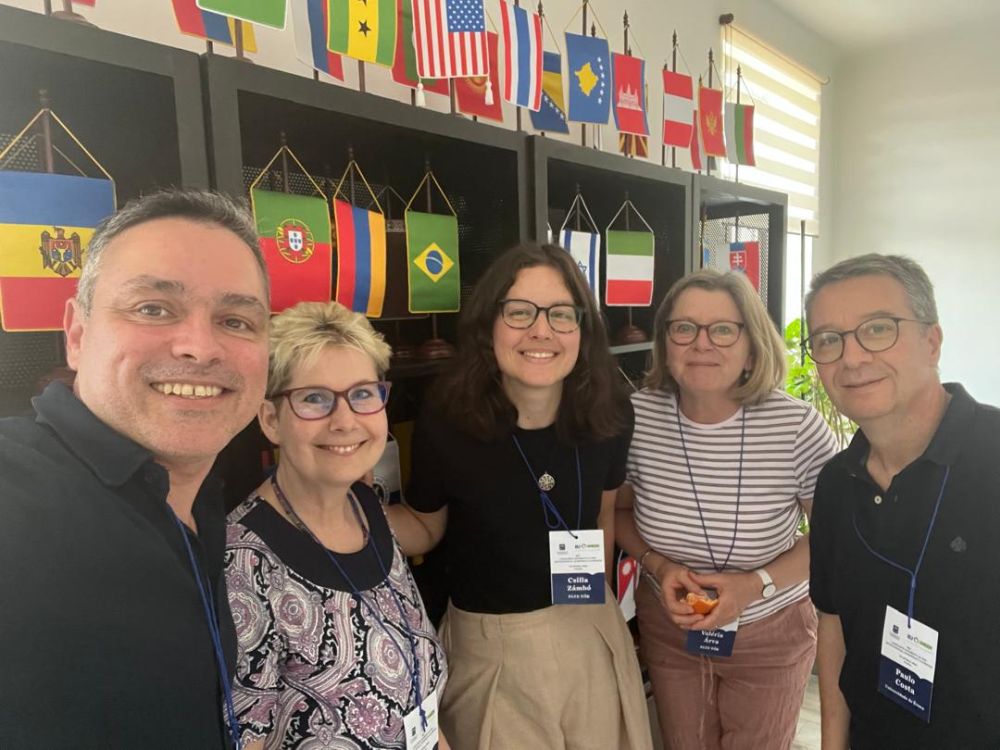
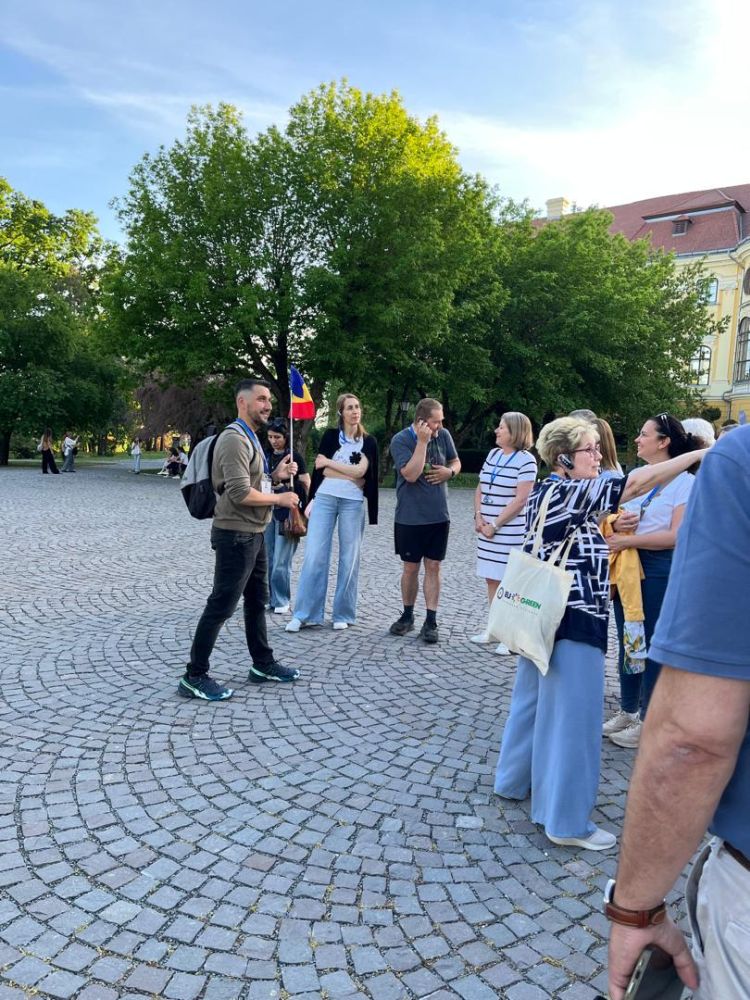
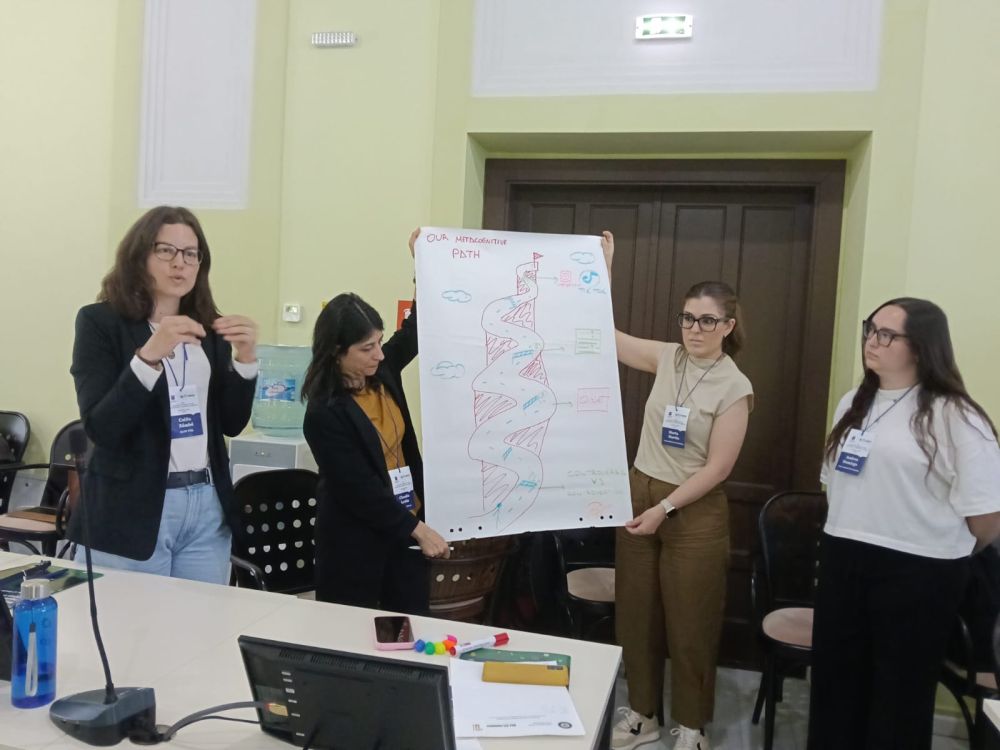
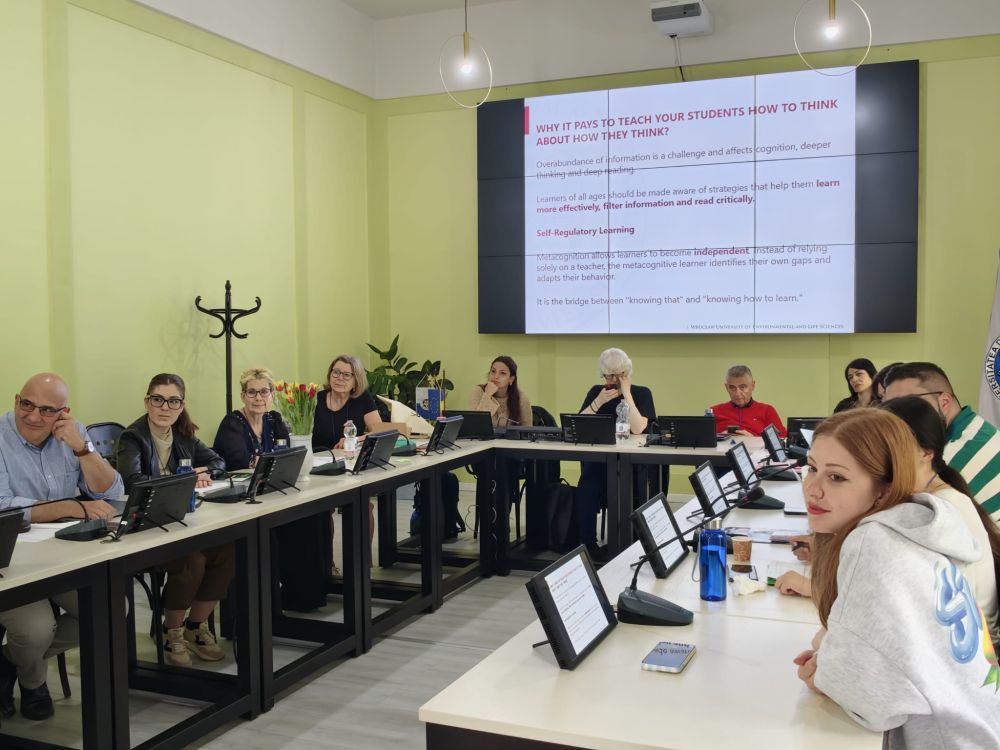
From May 4 to 8, 2026, Valéria Árva, Éva Trentinné Benkő, and Csilla Zámbó participated in the “Linguistic Diversity in the Multilingual, European Classroom” BIP for instructors in Oradea.
The project was initiated and professionally coordinated by the Universidad de Extremadura (Badajoz, Spain) (Ana Maria Piquer-Piriz) and organized by the University of Oradea (Romania). Five of the six participating universities are members of the EU Green Alliance university network (Universidad de Extremadura, Universidade de Évora, Universitatea din Oradea, Università di Parma, Wroclaw University), while ELTE TÓK joined as an external partner.
In addition to university faculty members, four master’s students from the University of Extremadura, who are enrolled in the Master’s program in Bilingual Education through English for Primary and Secondary Teachers, have also joined the project.

For the first, virtual phase of the BIP, each participating university developed an online module on the following topics:
1. Contributions of CLIL to multilingual education
2. Voices and Connections: Empathy, Language Awareness, and Global Englishes in the Multilingual Classroom
3. Language Reflection, Translanguaging, and Code-Switching in Diverse Classrooms
4. Assessing students' academic language throughout the curriculum in bilingual education contexts
5. On-campus internationalization in higher education: trends, practices, and opportunities
6. Linguistic Diversity in Multilingual University Classrooms: Supporting Erasmus and International Students
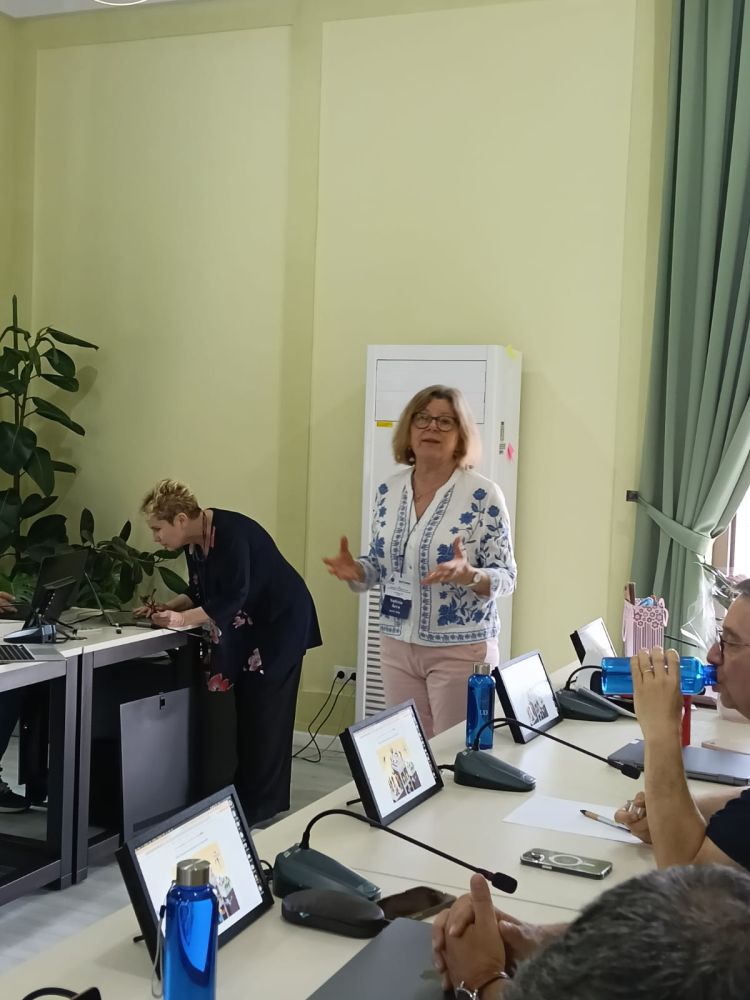
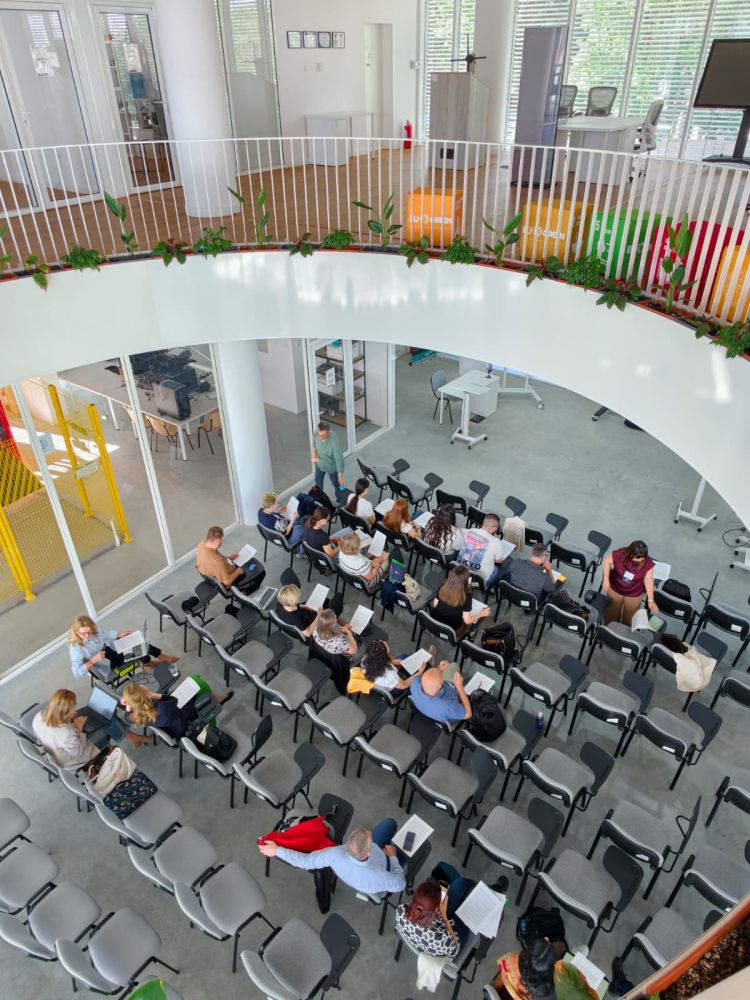
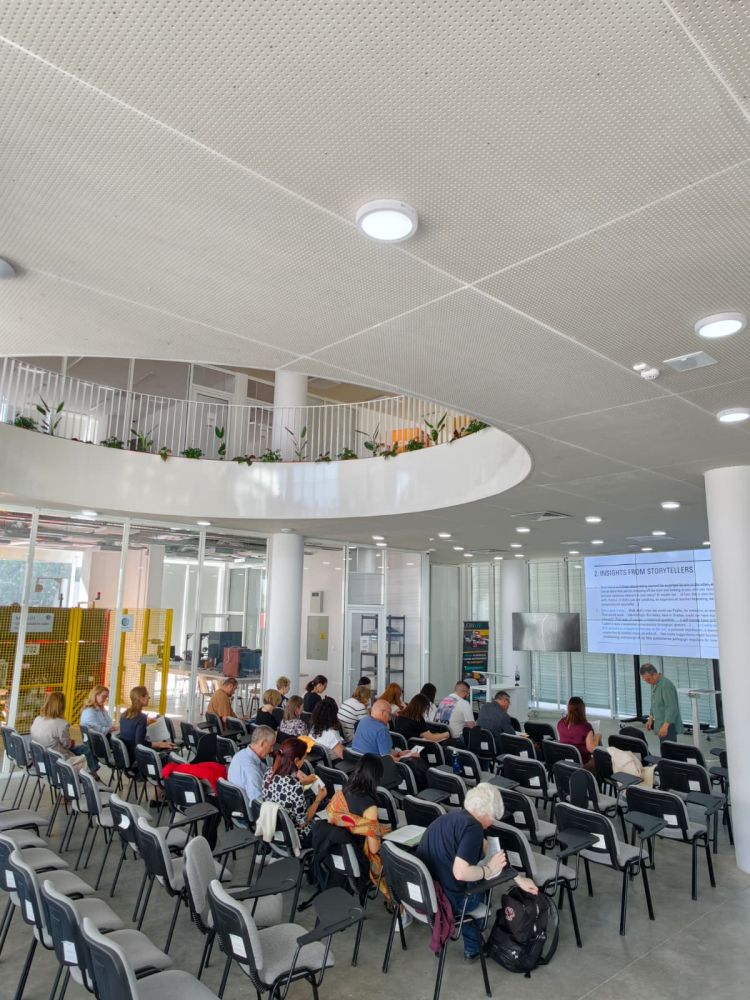
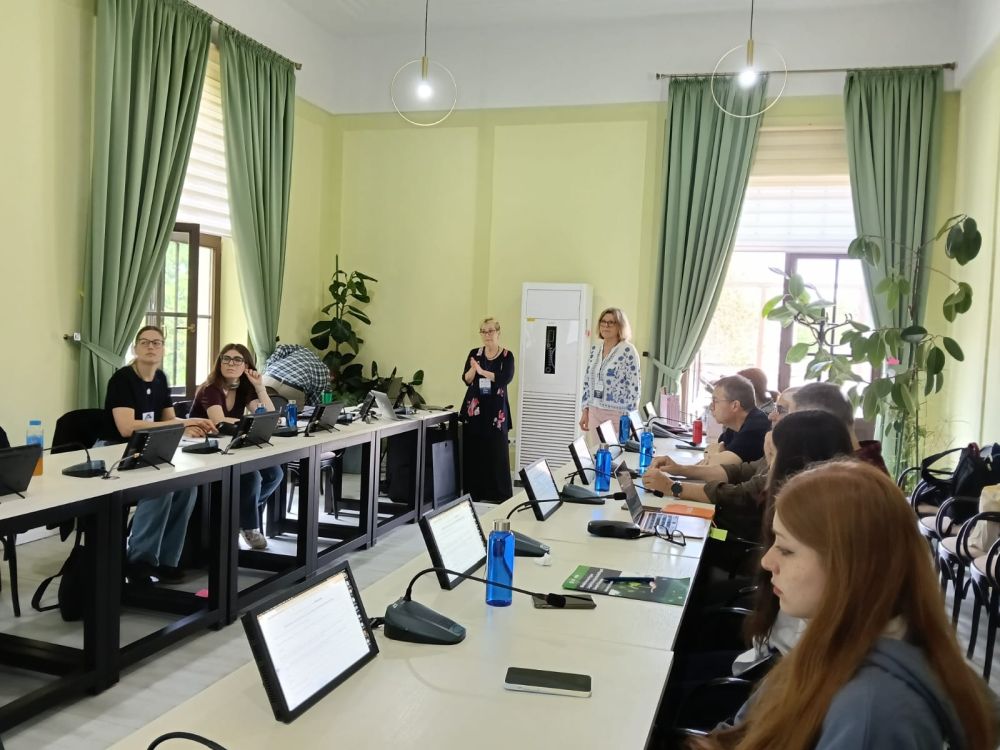
During the BIP’s in-person week, participants held additional lectures and workshops on the topics of their own modules. The project’s main themes (multilingualism, multilingualism in higher education, multiculturalism) were explored from numerous perspectives, and thanks to the participants’ diverse linguistic and professional backgrounds, exciting and fruitful discussions took place after the lectures and during the workshops.
We plan to continue the project next academic year, and we especially recommend participation to colleagues teaching in TÓK’s English-language programs.
Valéria Árva
Éva Trentinné Benkő
Csilla Zámbó