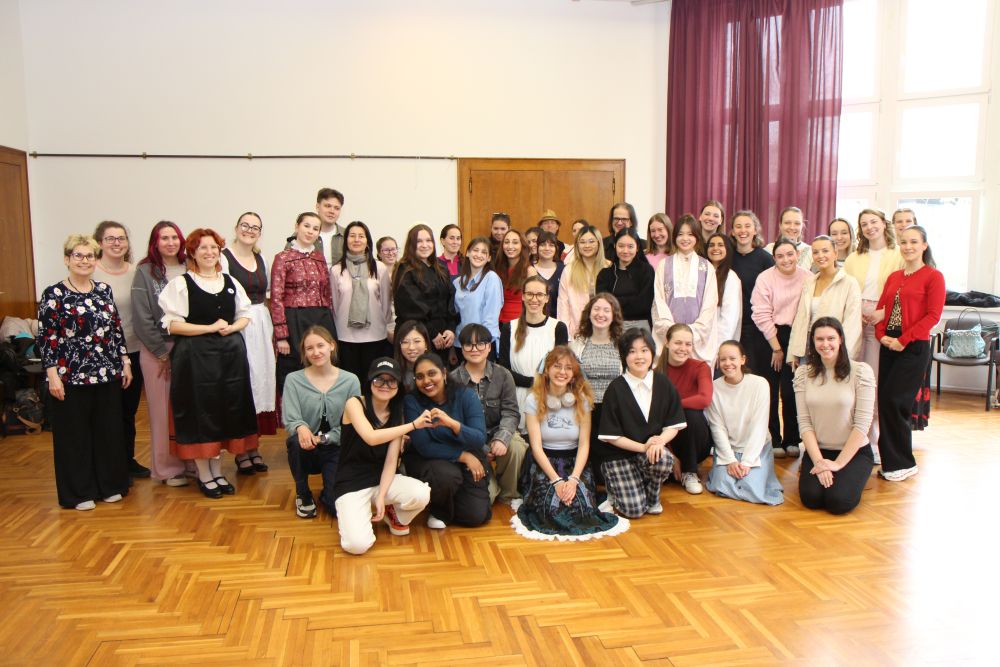
This April’s Faculty Days once again transformed the university into a lively, vibrant hub where cultures, ideas, and shared experiences came together. For two days, classrooms, hallways, common areas, and even the courtyard were filled with music, movement, conversation, and learning. The programs created an atmosphere in which learning took place naturally, through encounters and participation, for our international students as well. From dance and meditation to international cooking and intercultural workshops, every event demonstrated that university life extends far beyond classes and seminars.
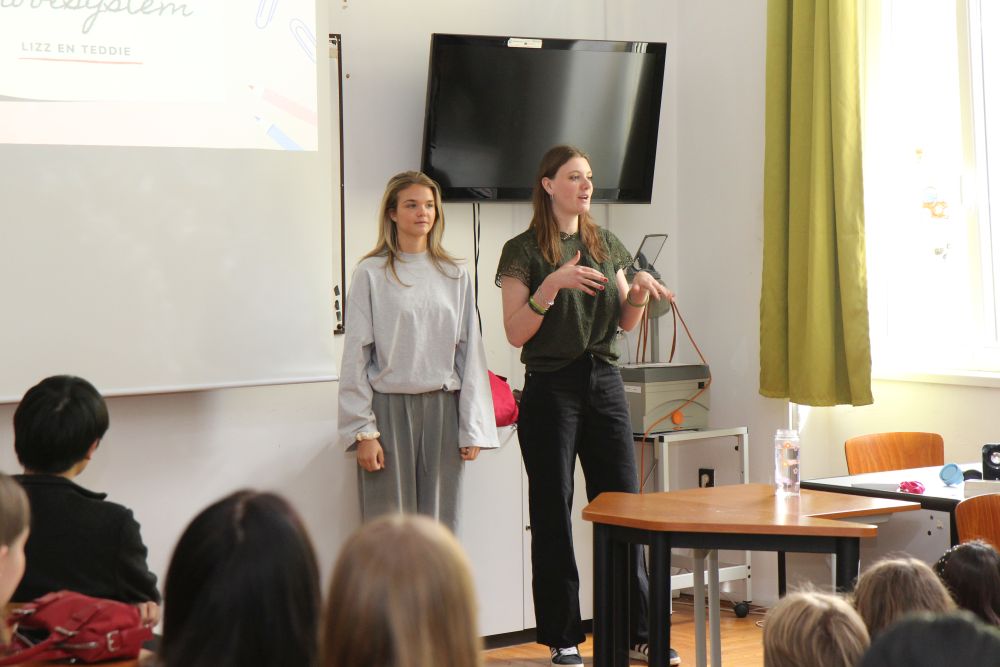
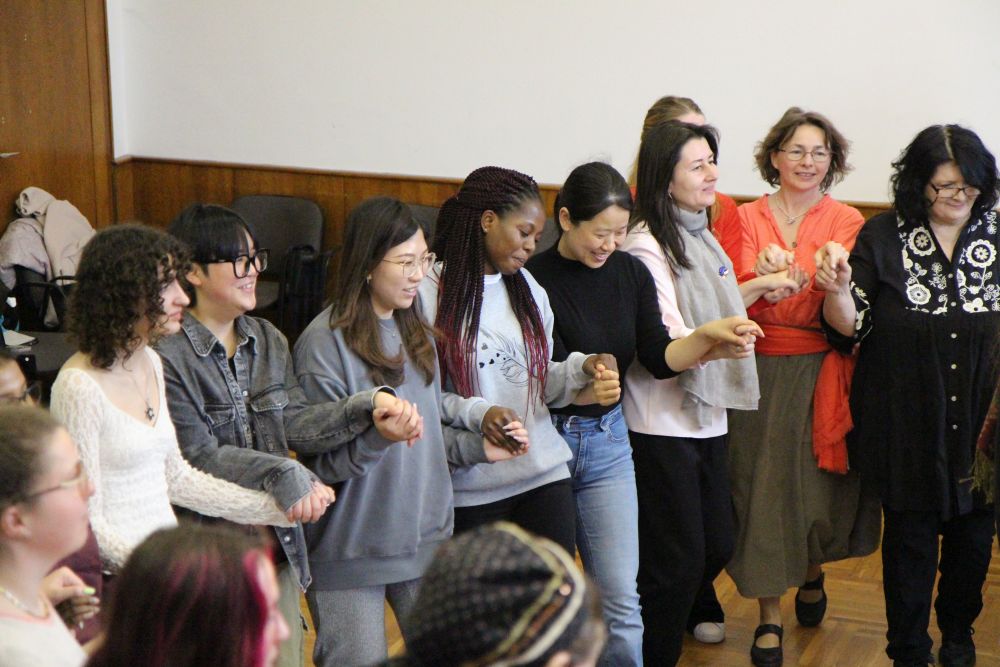
Monday’s program already set the tone. In the courtyard, the Student Council organized a Romani dance workshop, which international students happily joined, transforming the courtyard into a truly joyful, rhythmic community space. Meanwhile, in Room 127, students from the Pedagogy and Innovation course gave presentations in English titled “Education around the world,” introducing the educational systems of various countries under the guidance of Professor Andrea Fenyődi. These concurrent programs demonstrated right from the first day just how important openness, curiosity, and learning from one another are.
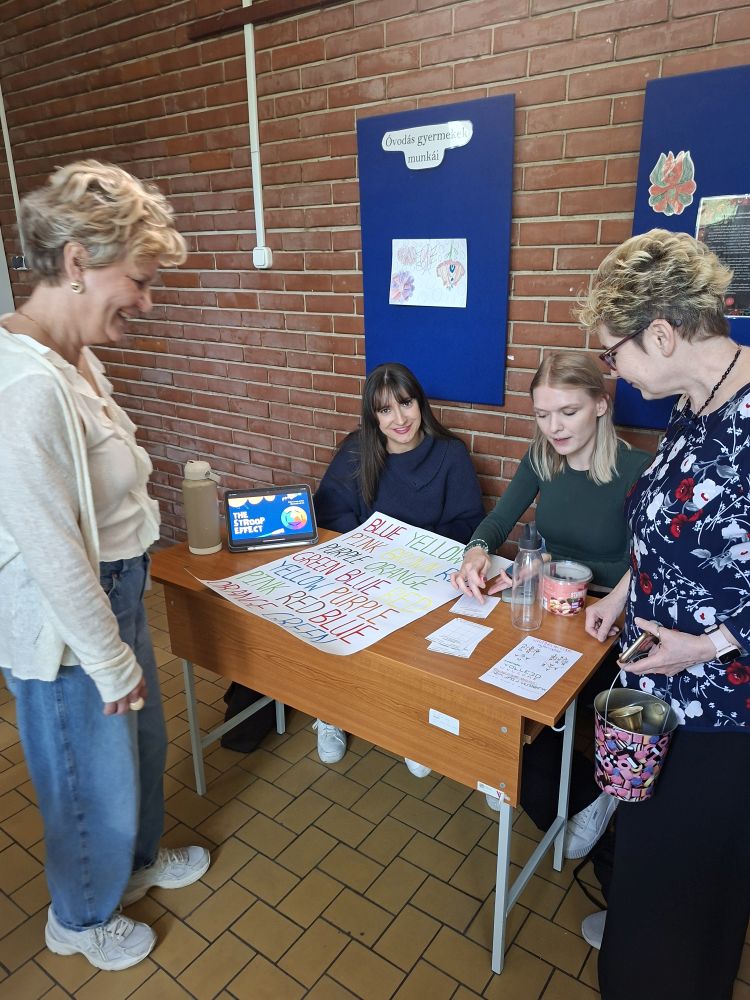
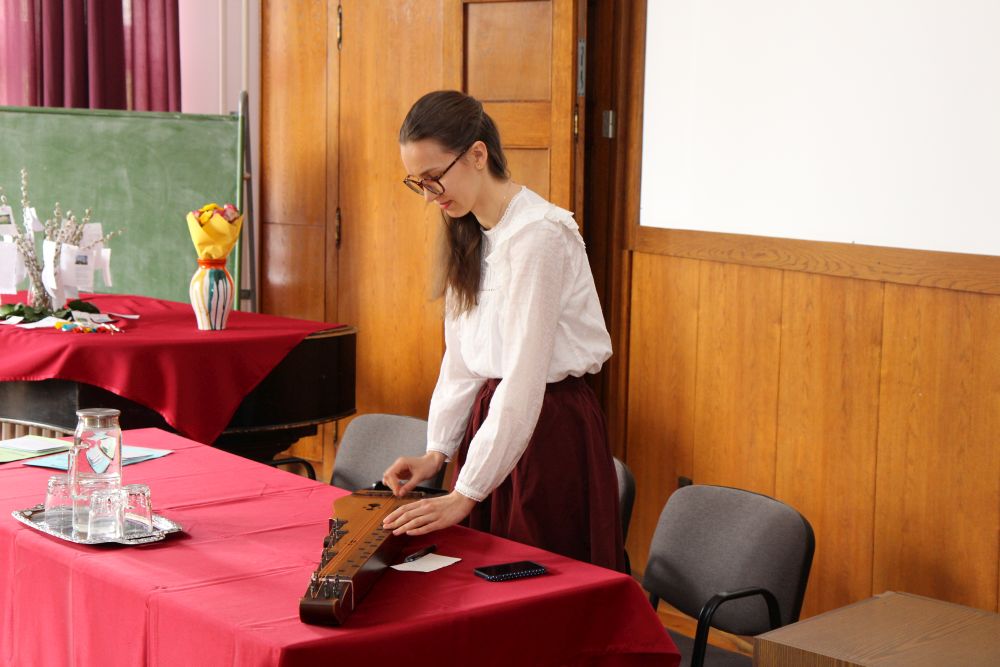
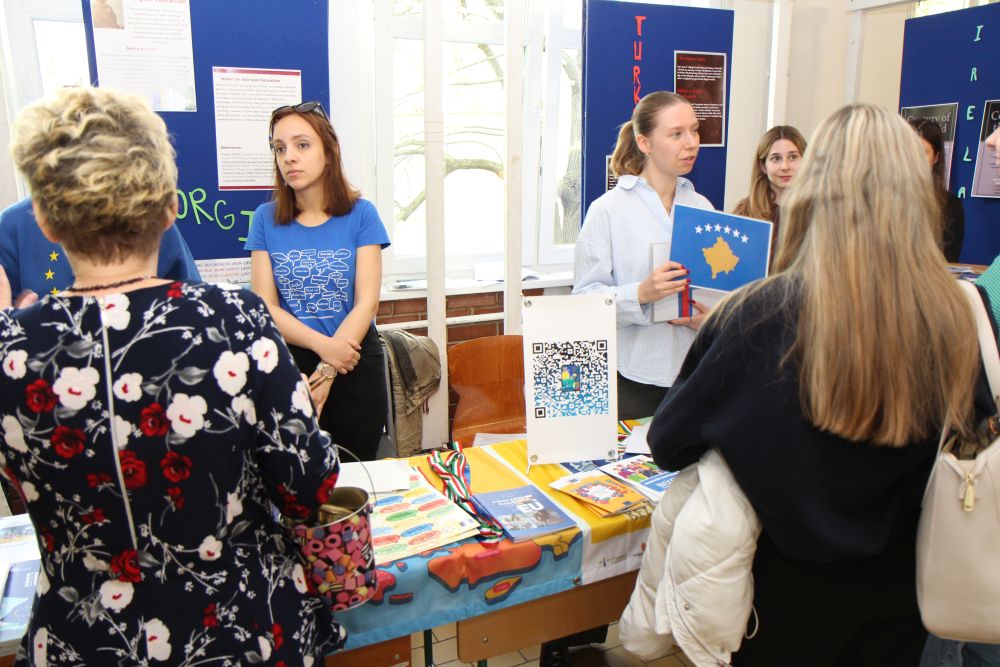
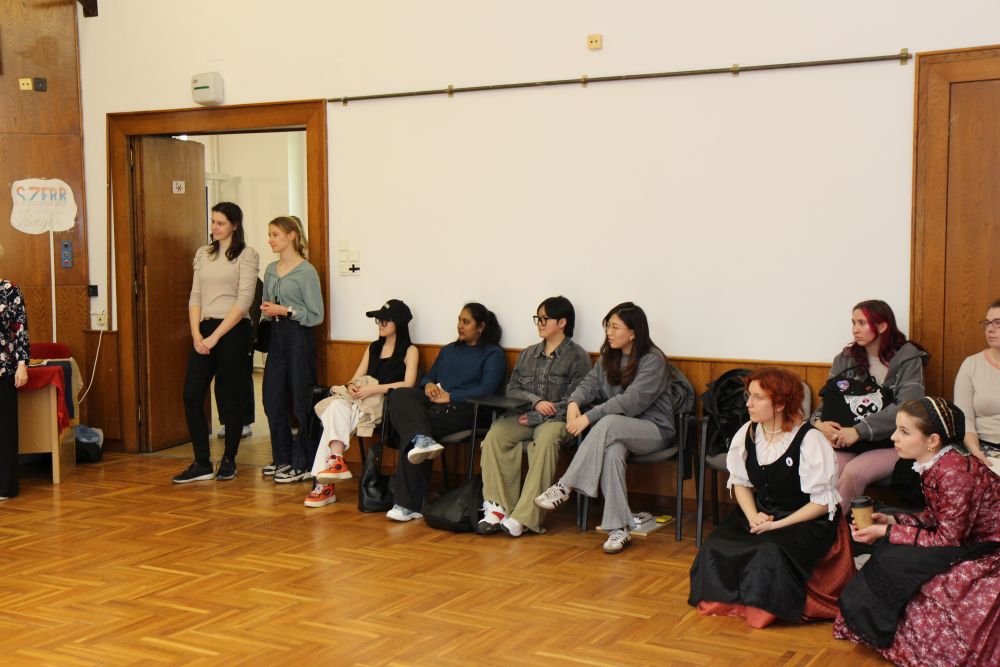
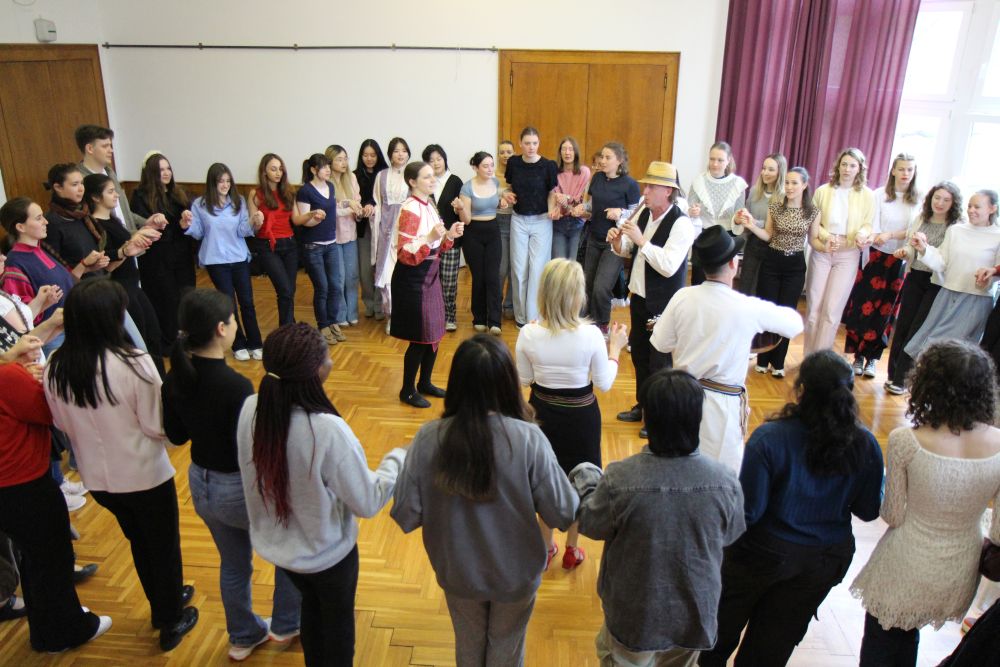
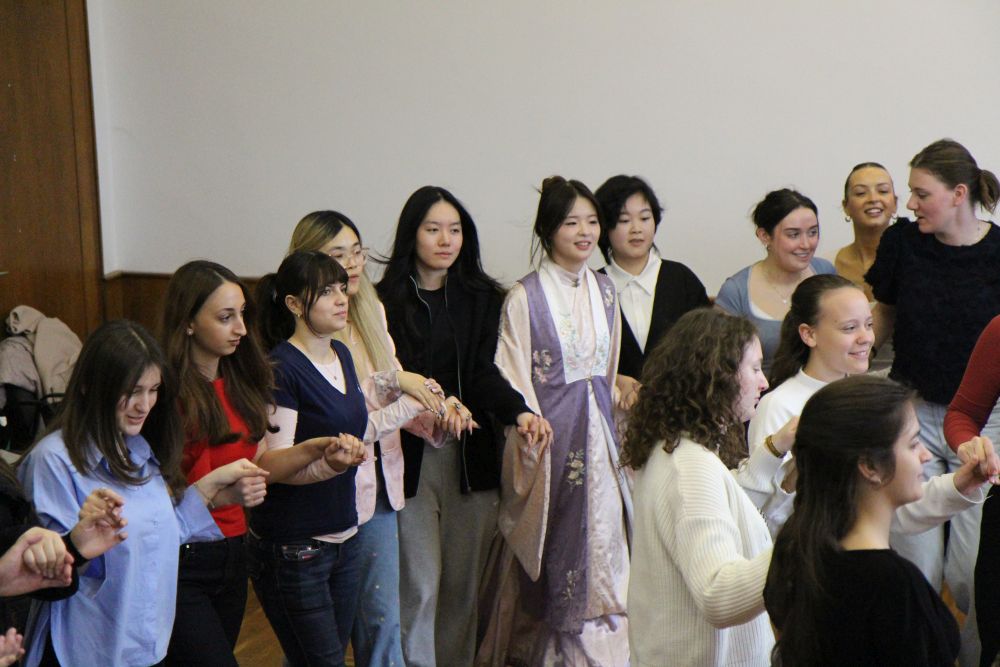
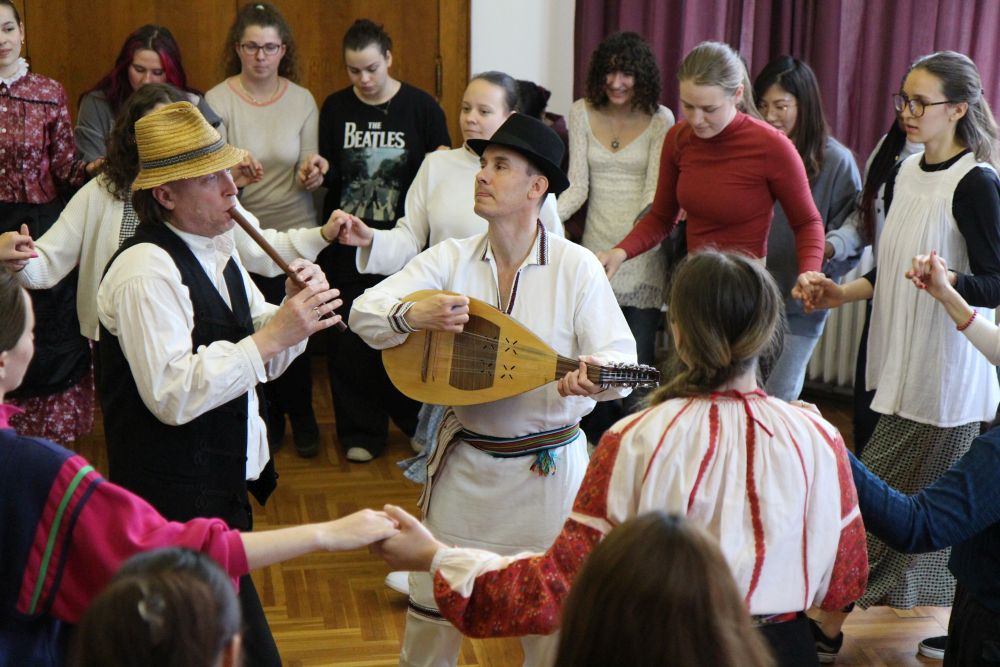
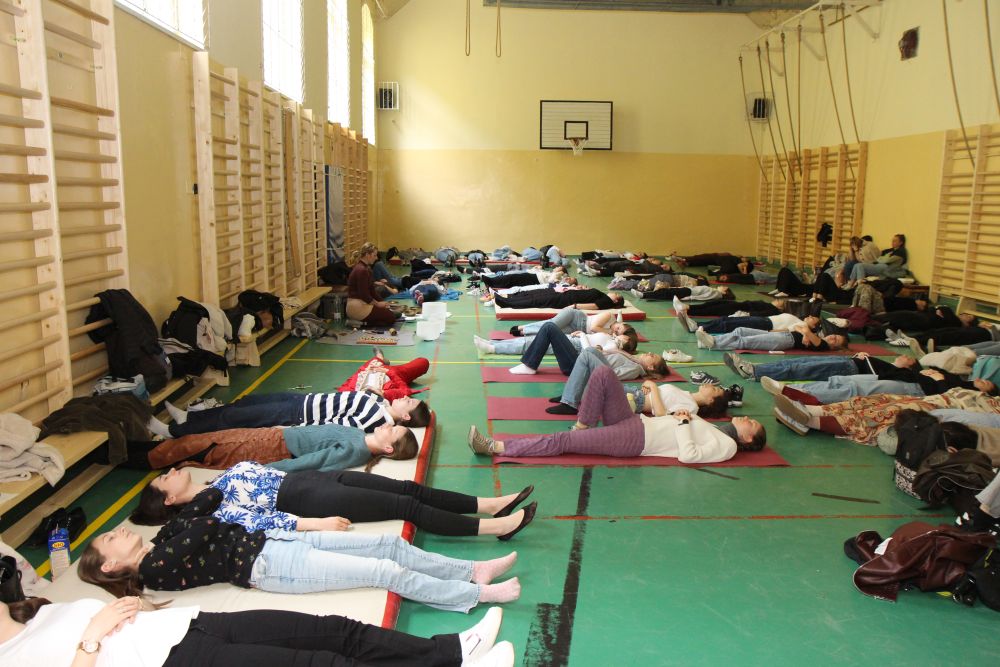
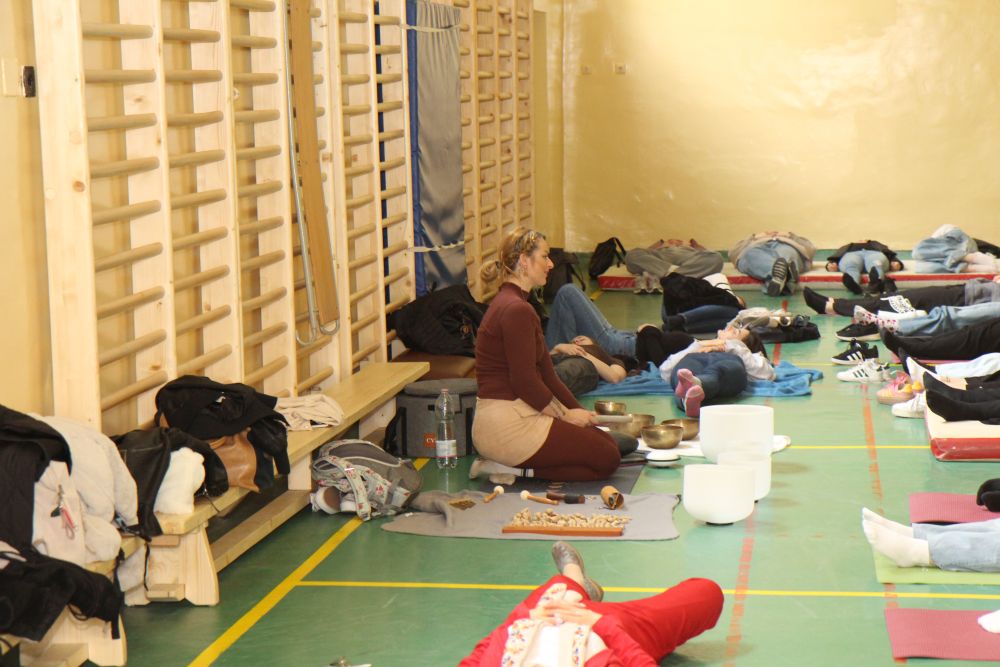
Tuesday continued with a similarly rich and diverse program lineup. The morning began with an “Effective Communication” workshop, led by visiting instructors from Korolenko Pedagogical University in English under the guidance of Professor Valéria Árva, offering practical insights into intercultural communication. On the ground floor, the Arkki School of Architecture for Children and Youth also introduced itself on the Edison Platform, presenting its STEAM-based, creativity-focused pedagogical approach. Thanks to Professor Mónika Sándor, the community space was filled with the aroma of hungarian plum dumplings during the International Cooking program, where students from the Erasmus preparatory and intercultural courses shared the flavors of their home countries with one another. In Room 123, the Traditions Day & Dance House program took place under the supervision of Professor Éva Benkő Trentinné, where traditional costumes, musical instruments, and folklore dances were showcased. At the end of the day, a sound bath meditation led by Sára Anna Békési-Hajek offered an opportunity for quiet reflection.
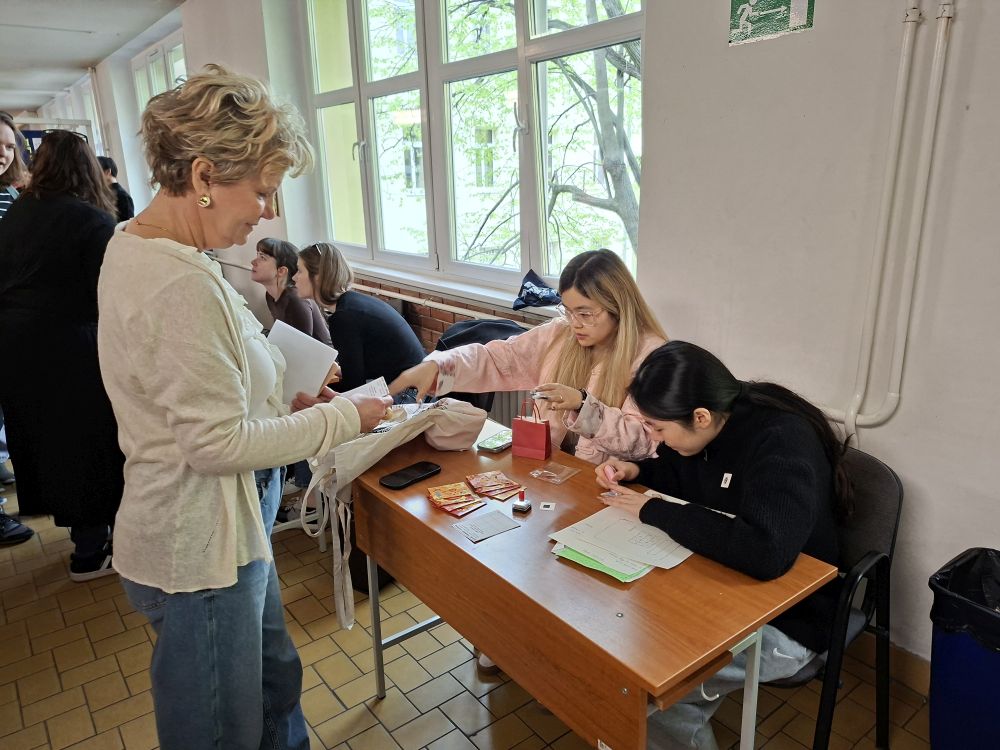
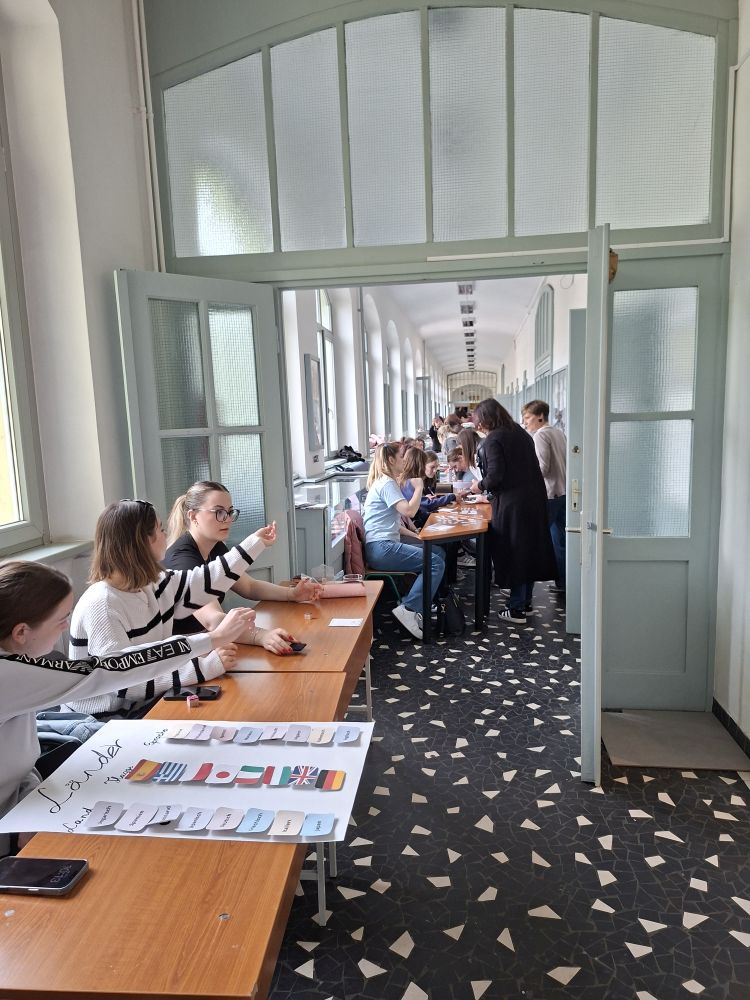
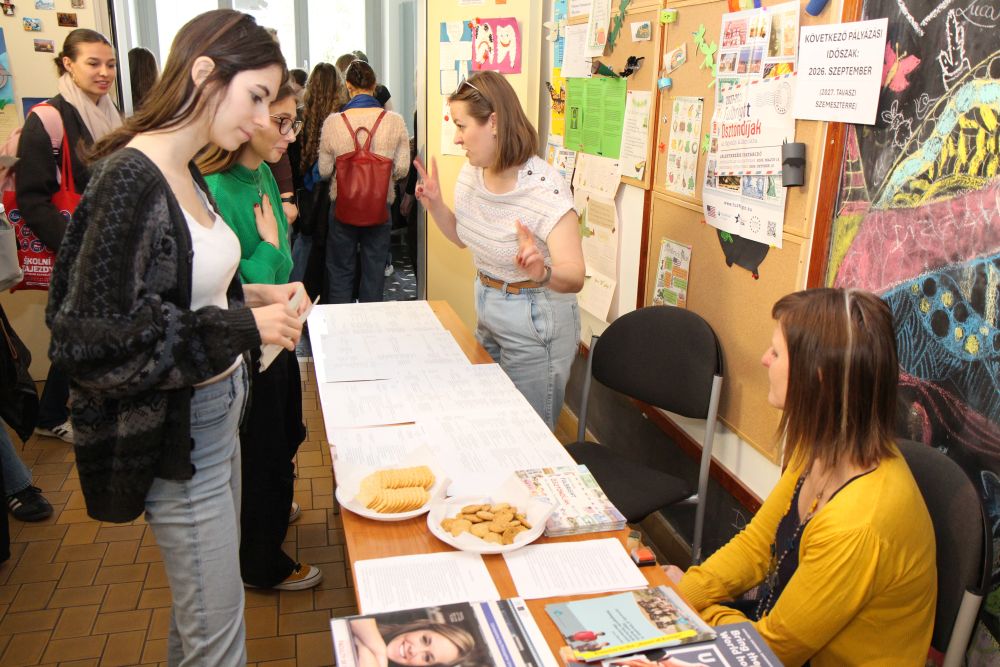
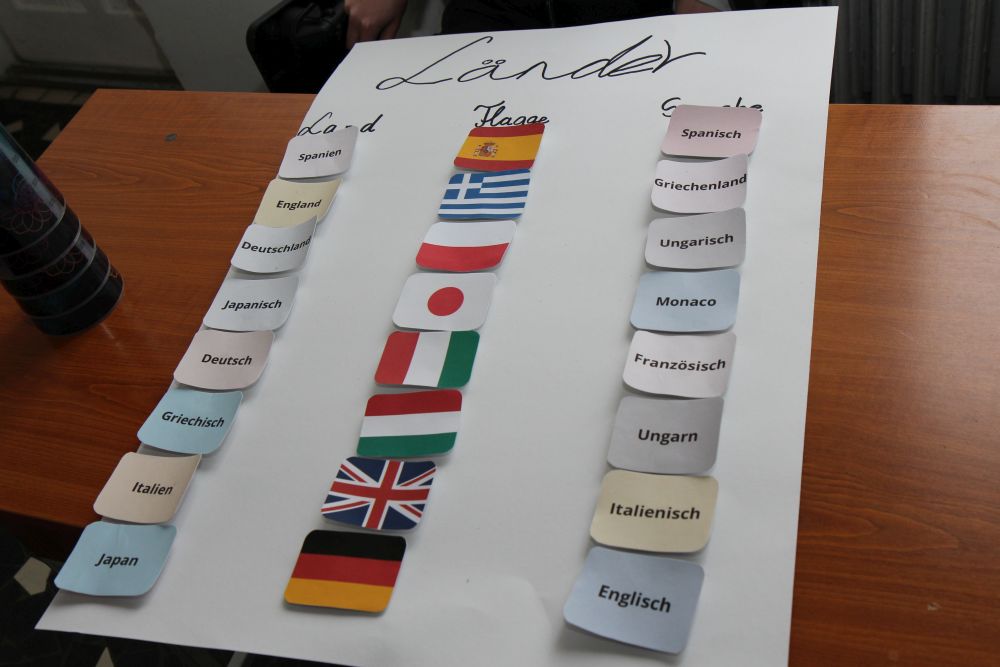
One of the highlights of the program was the recurring “Drop Everything and Learn/Teach Languages!” initiative, organized by Valéria Árva, head of the Department of Foreign Languages and Literature. Between 10:00 a.m. and 12:00 p.m., the rooms along the first-
floor corridor were transformed into a language fair, where “flash” language lessons awaited those interested. This event was a source of great pride not only for the department but also for the International Office. Many students volunteered to present their own language and culture, sharing it with others in a personal, enthusiastic, and open manner.
Those interested could visit the mini-sessions one after another, where they encountered international children’s literature, Ukrainian and Irish children’s literature, Swiss French, Greek, Italian, Georgian, Dutch, Chinese, German, Spanish, Japanese, and Ukrainian. At every session, it was clear that the presenters were delighted to talk about the language and history of their own cultures, while the participants listened with interest, asked questions, and mastered the basics of the respective languages. The hallways became true spaces for intercultural encounters, where curiosity overcame uncertainty, and learning became effortless and joyful.
By the end of the two days, it became clear that Faculty Days were more than just a series of back-to-back events. They created connections between cultures, students, and faculty that extend beyond the daily university routine. These shared experiences reminded us just how diverse our community is, and how much richer university life becomes when we take the time to step outside our usual frameworks and gain insight into each other’s worlds.
Photos